Bass Foundry
CNC, Laser and 3D Printing
Digital precision for custom work
Bass Foundry combines CNC, laser, and 3D-printing capabilities with practical experience in instrument construction. This allows us to choose a process based on the part, material, geometry, and desired result rather than forcing every project through the same machine.
We support complete instrument builds, independent luthiers, manufacturers, drum builders, woodworkers, and other custom shops that need accurate parts, detailed decoration, or repeatable tooling.
CNC fabrication
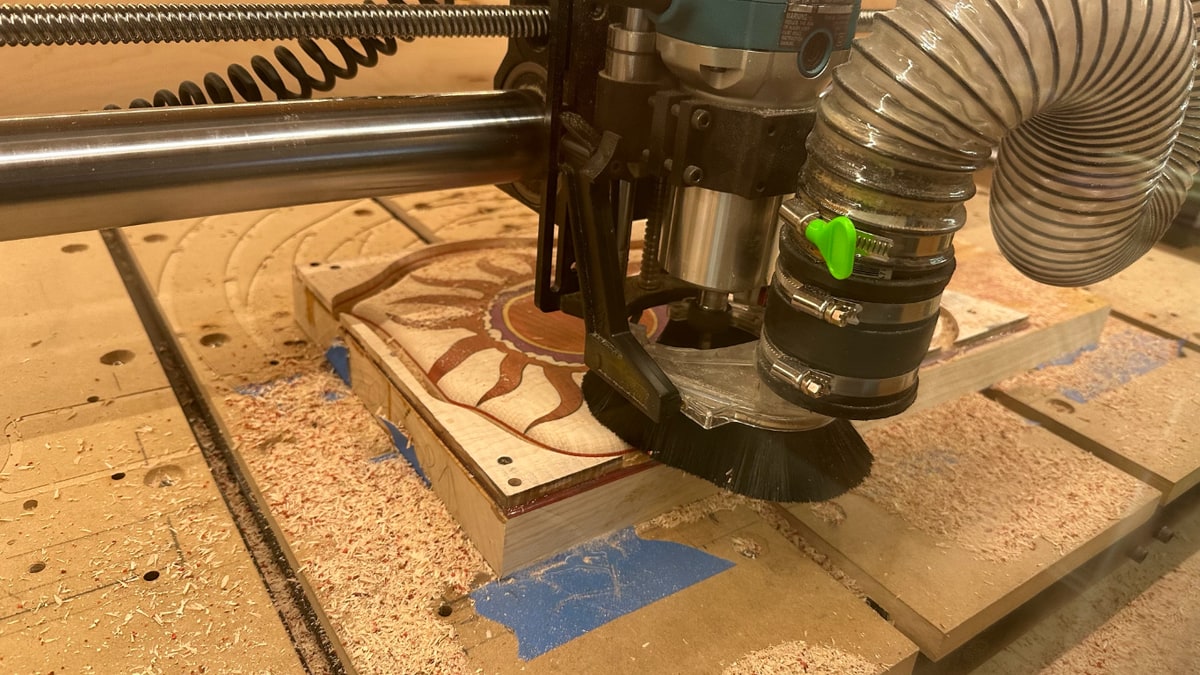
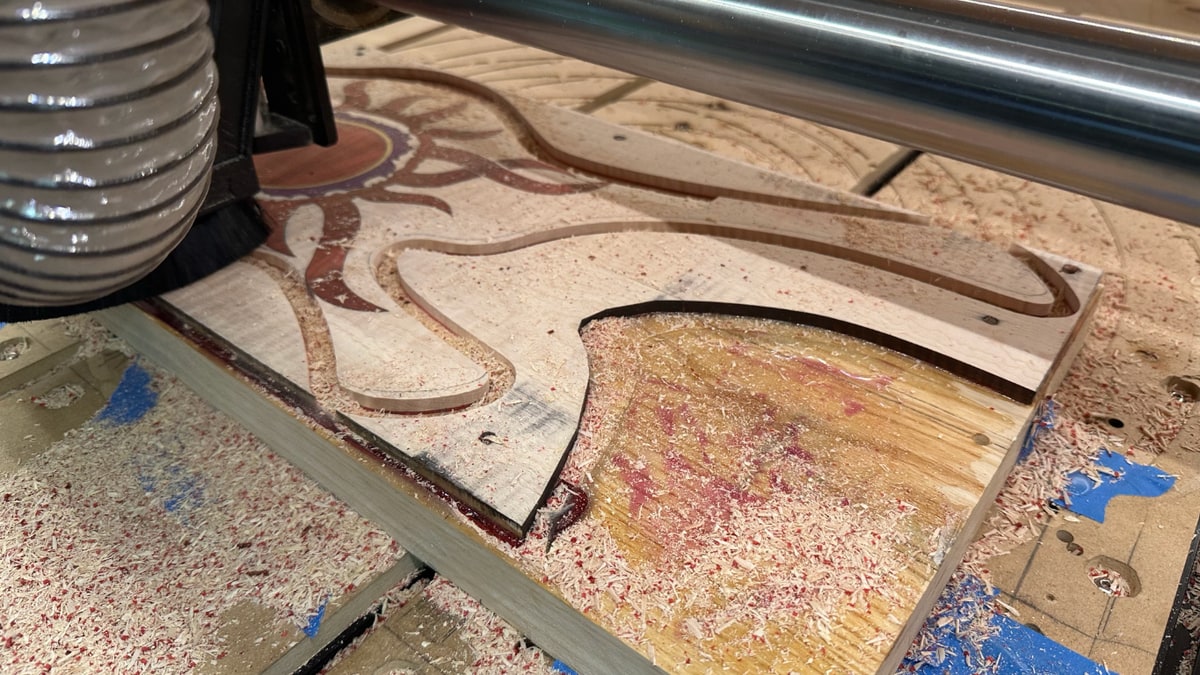
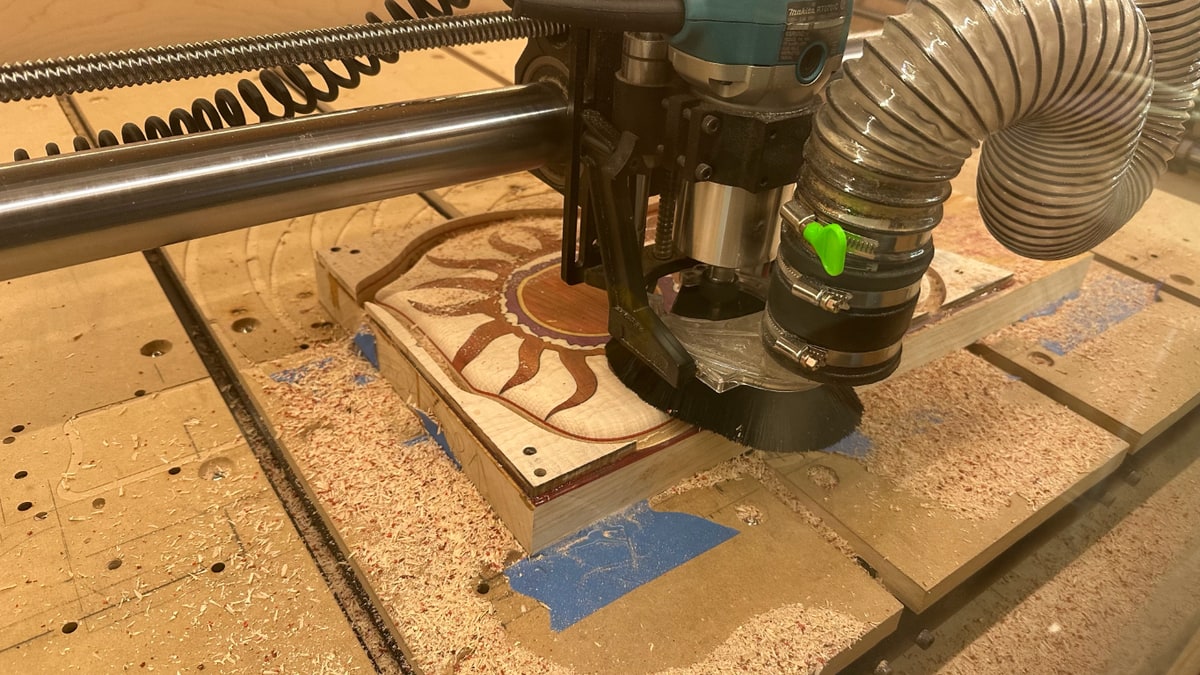
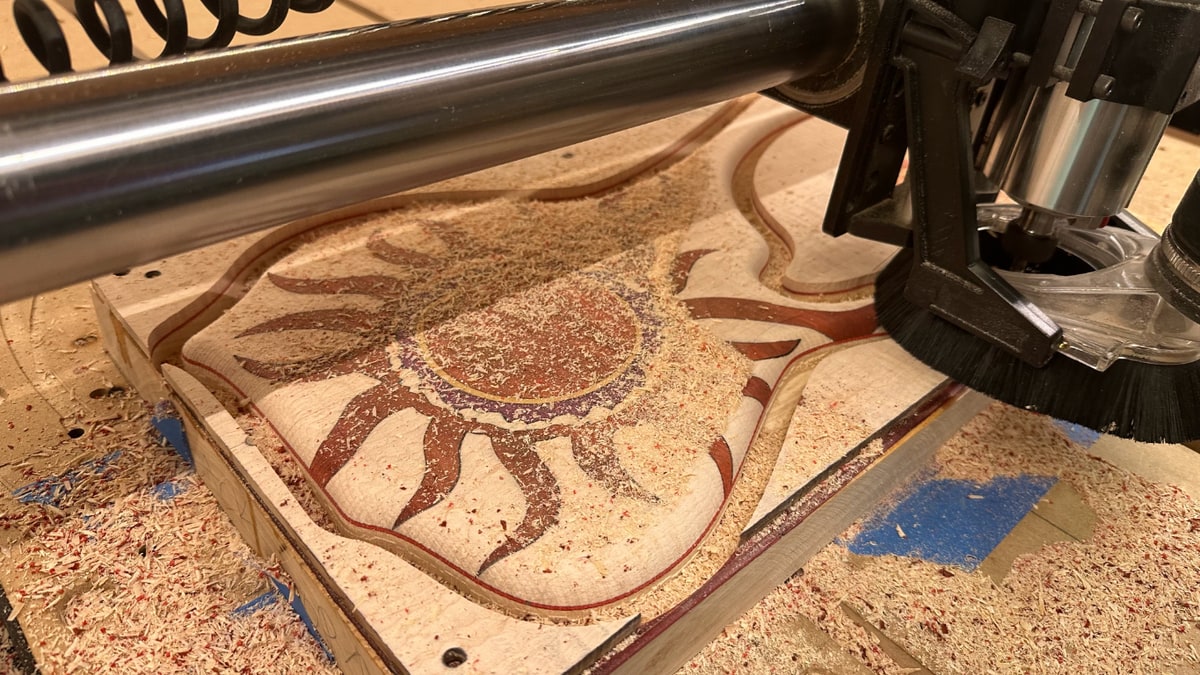
Watch the instrument take shape.
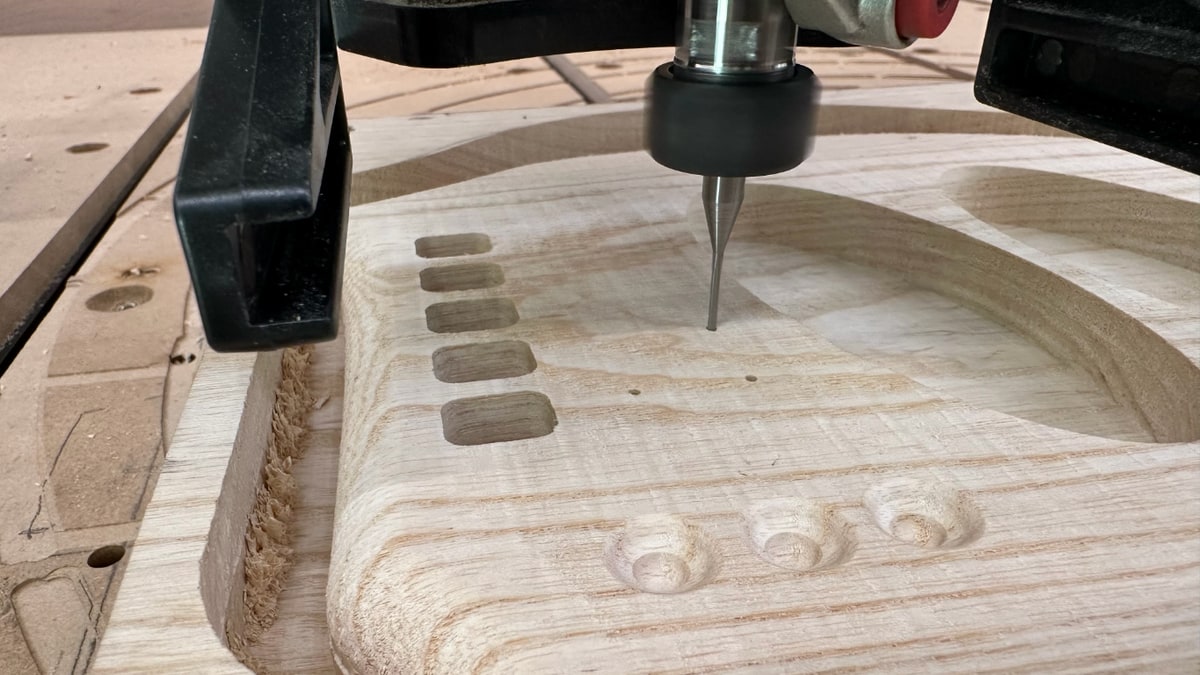
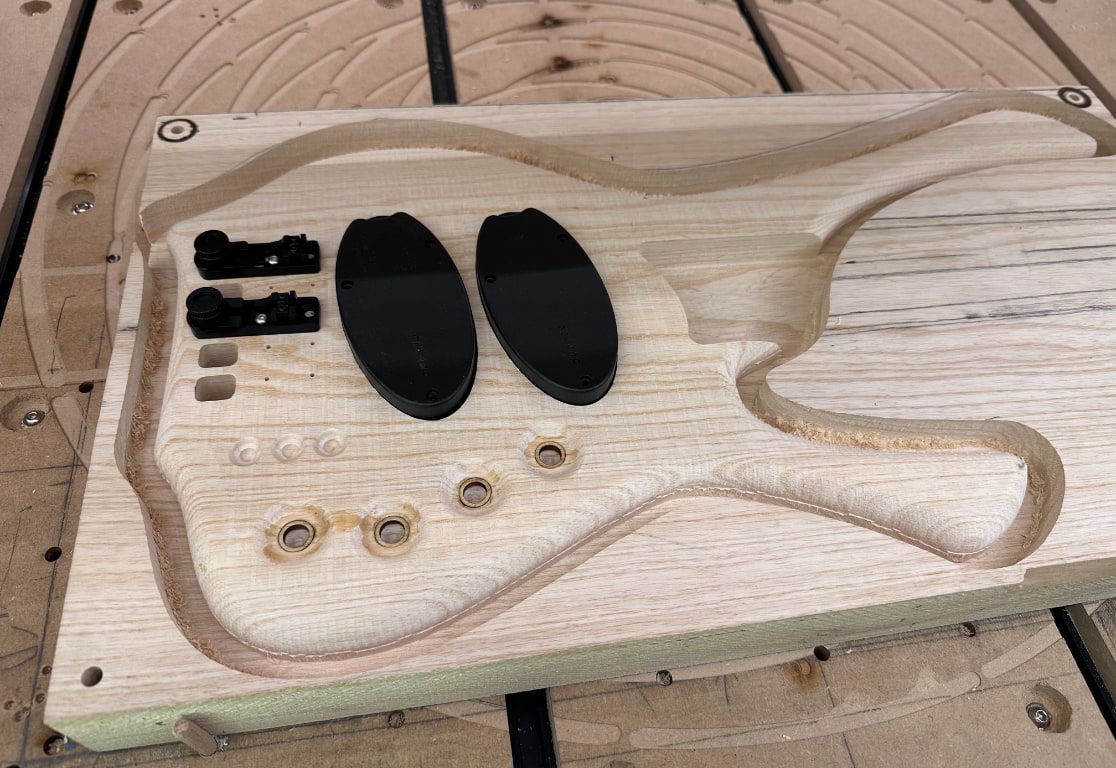
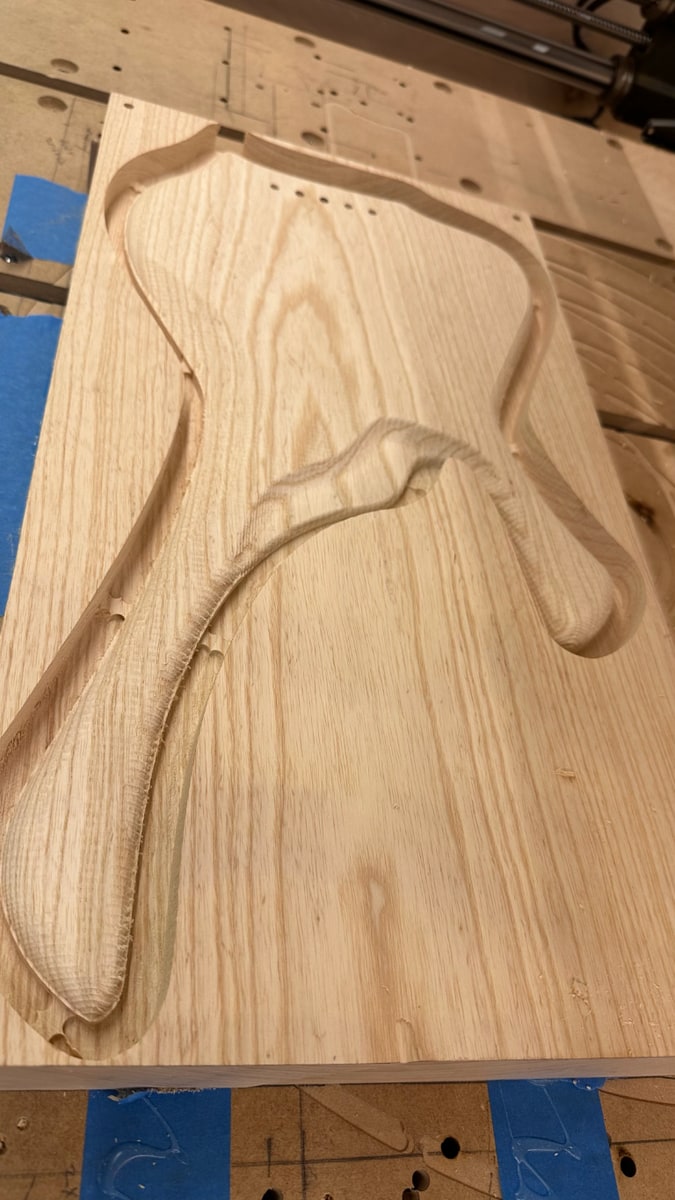
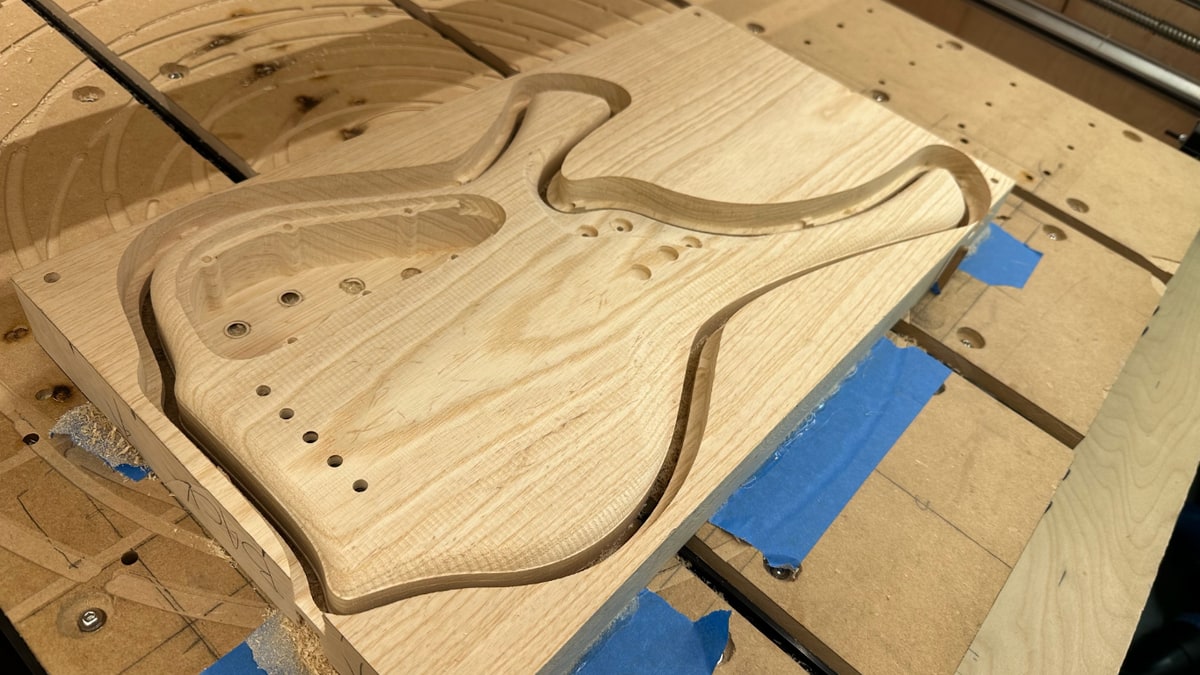
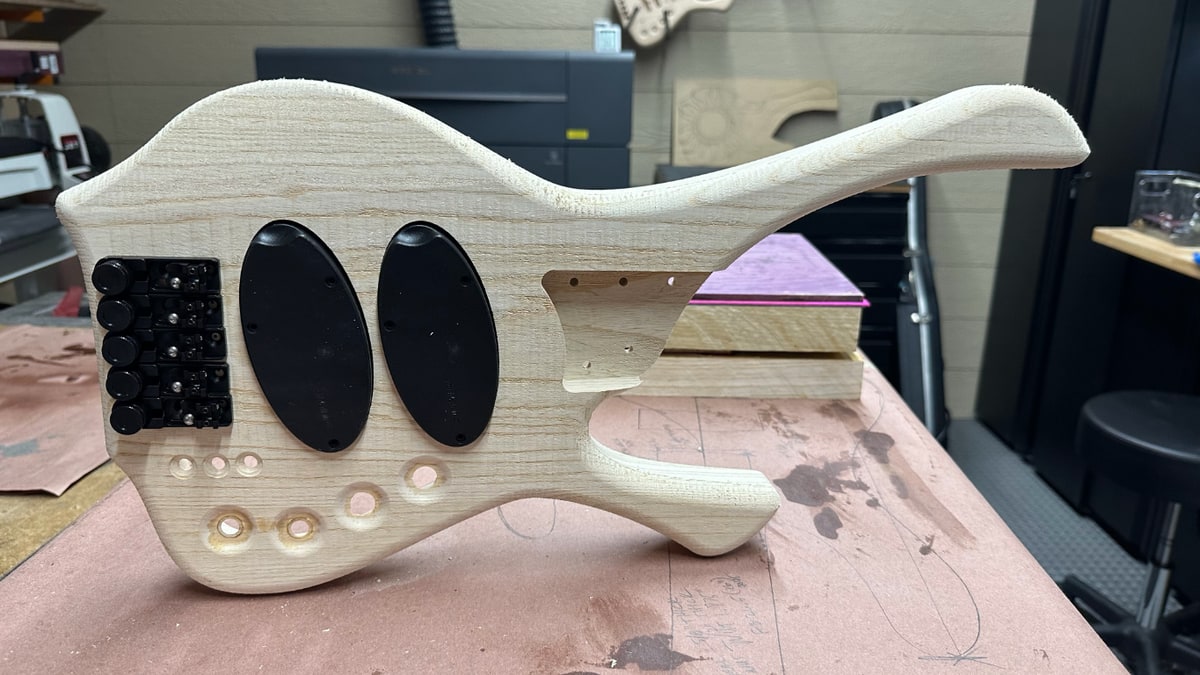
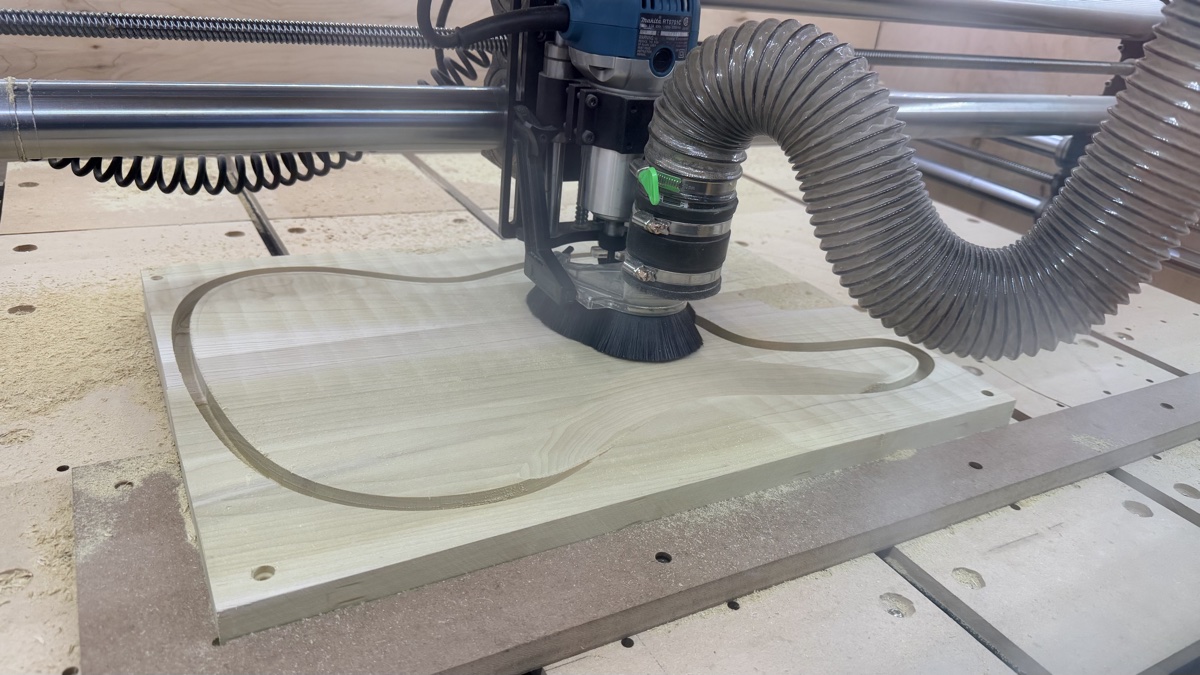
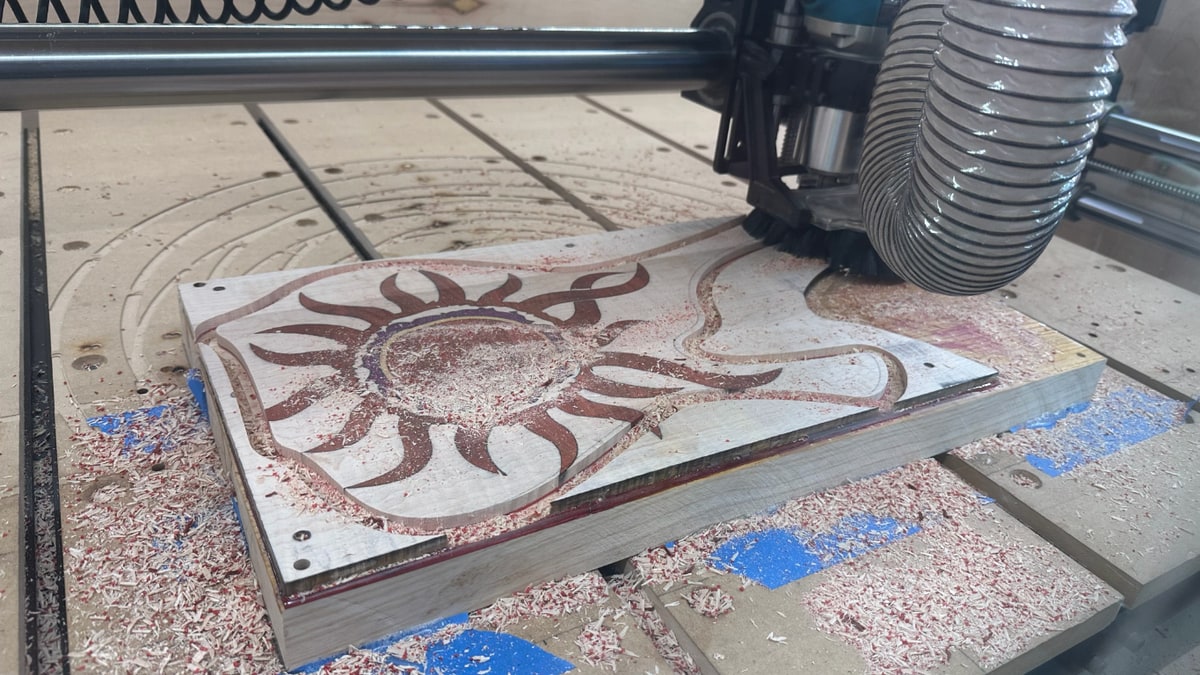
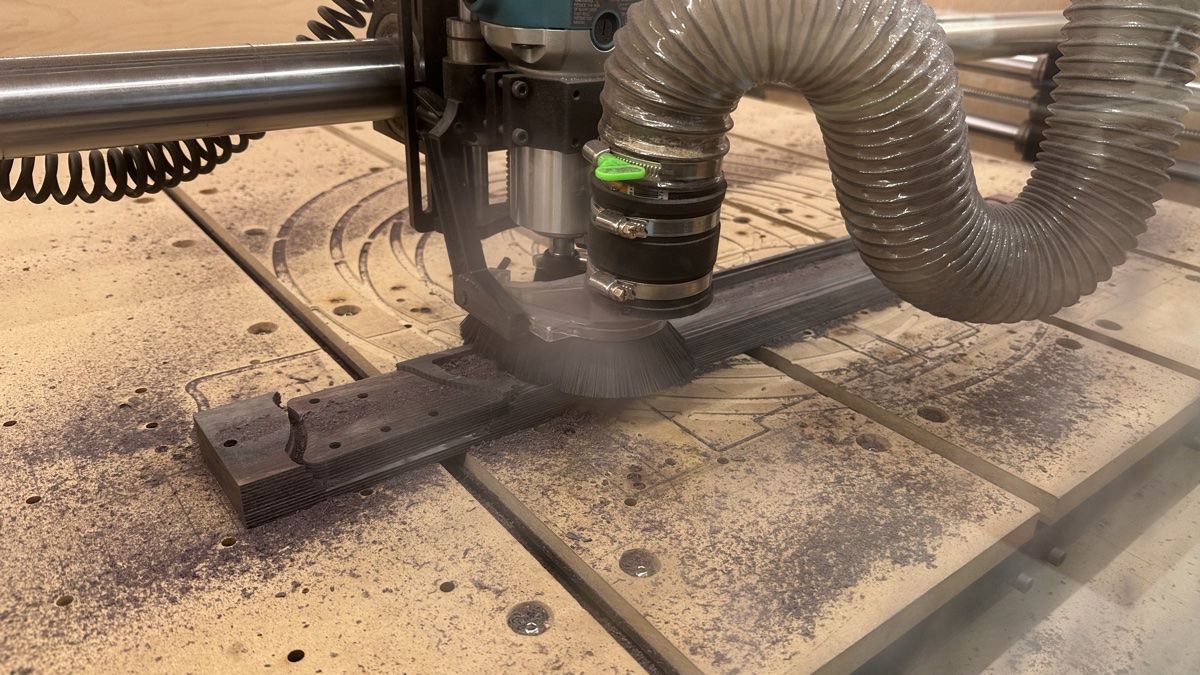
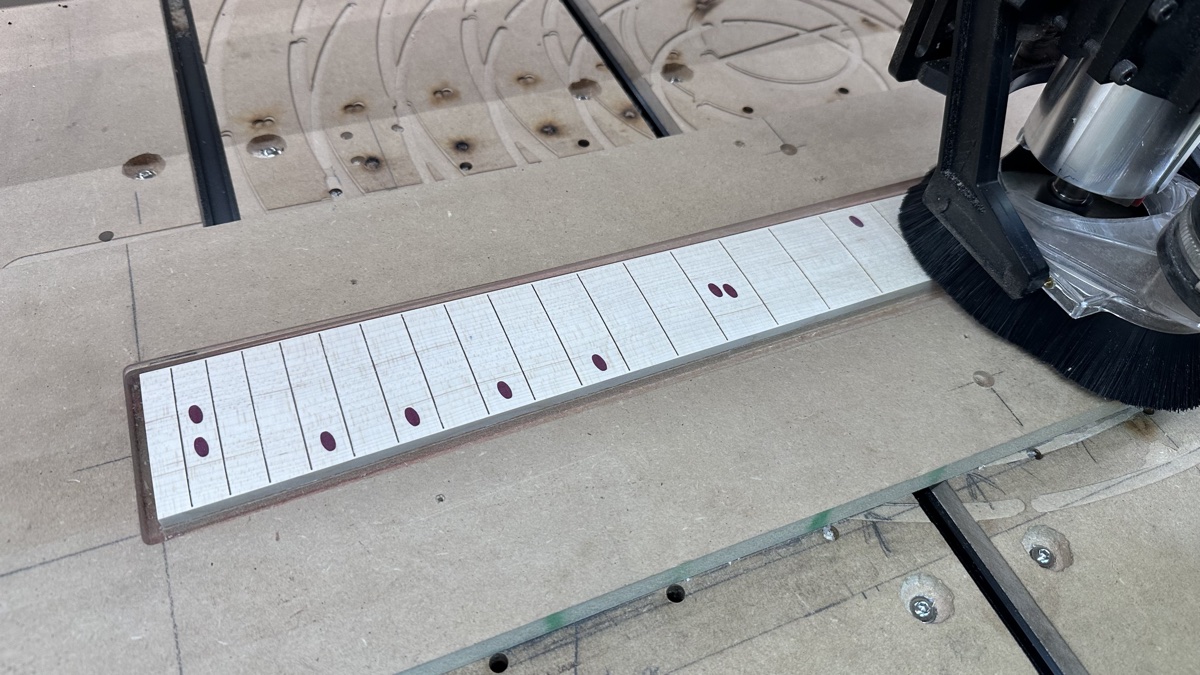
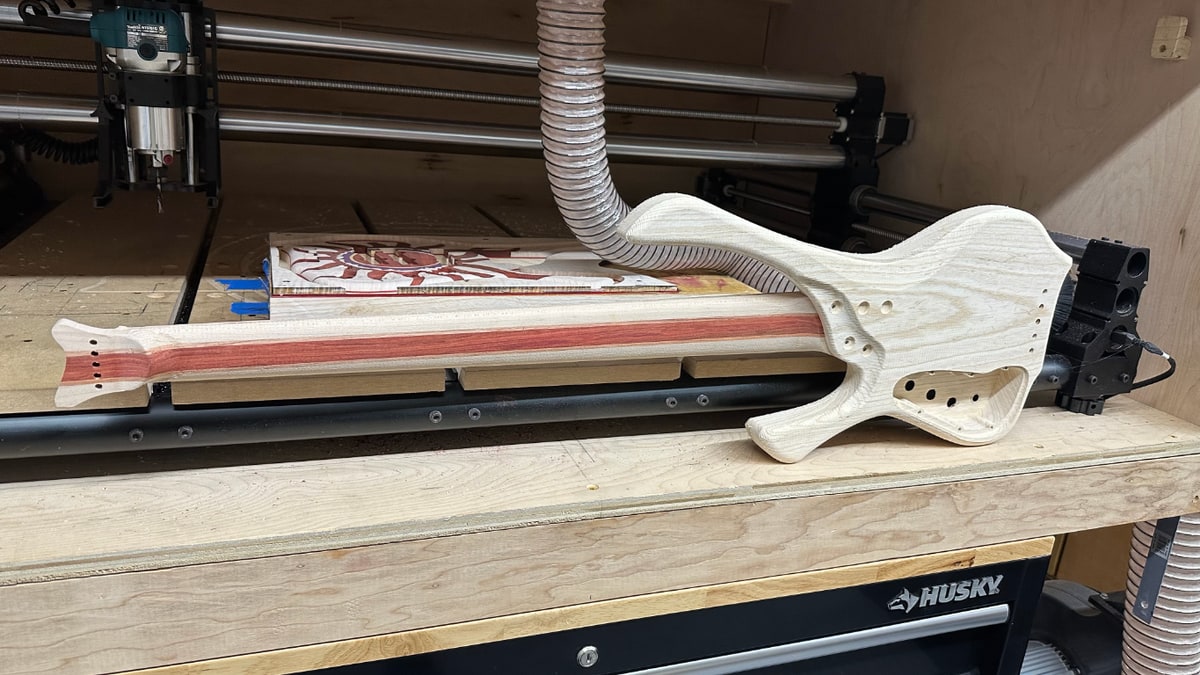
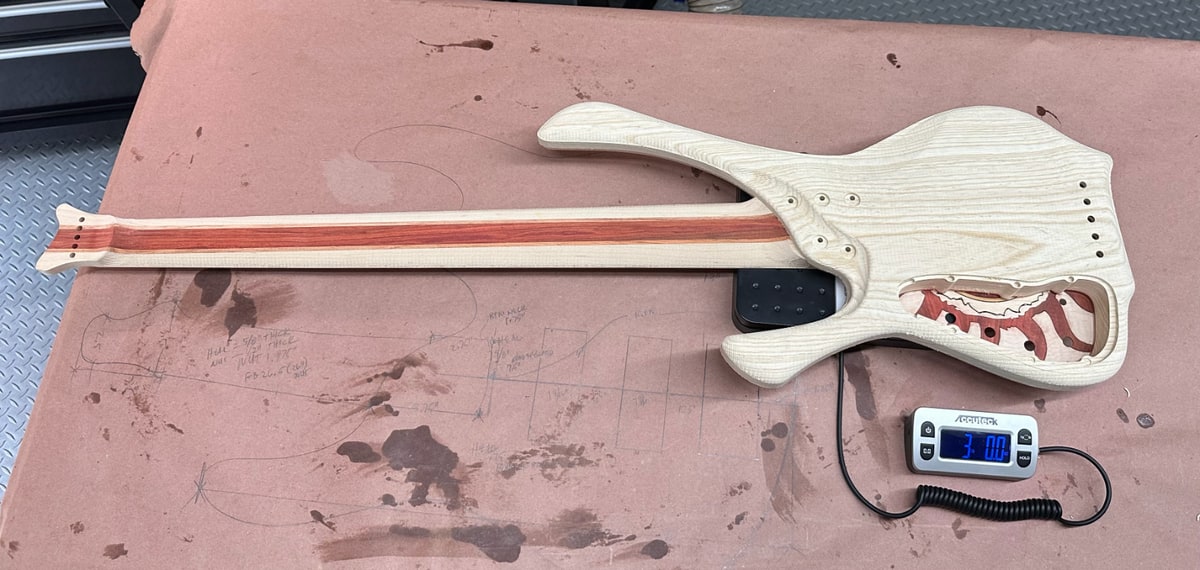
Follow the work from body carving and cavity routing to neck machining, hardware fit, and assembly checks. These workshop photos show how individual operations come together in a custom instrument. Select a photo to explore the details.
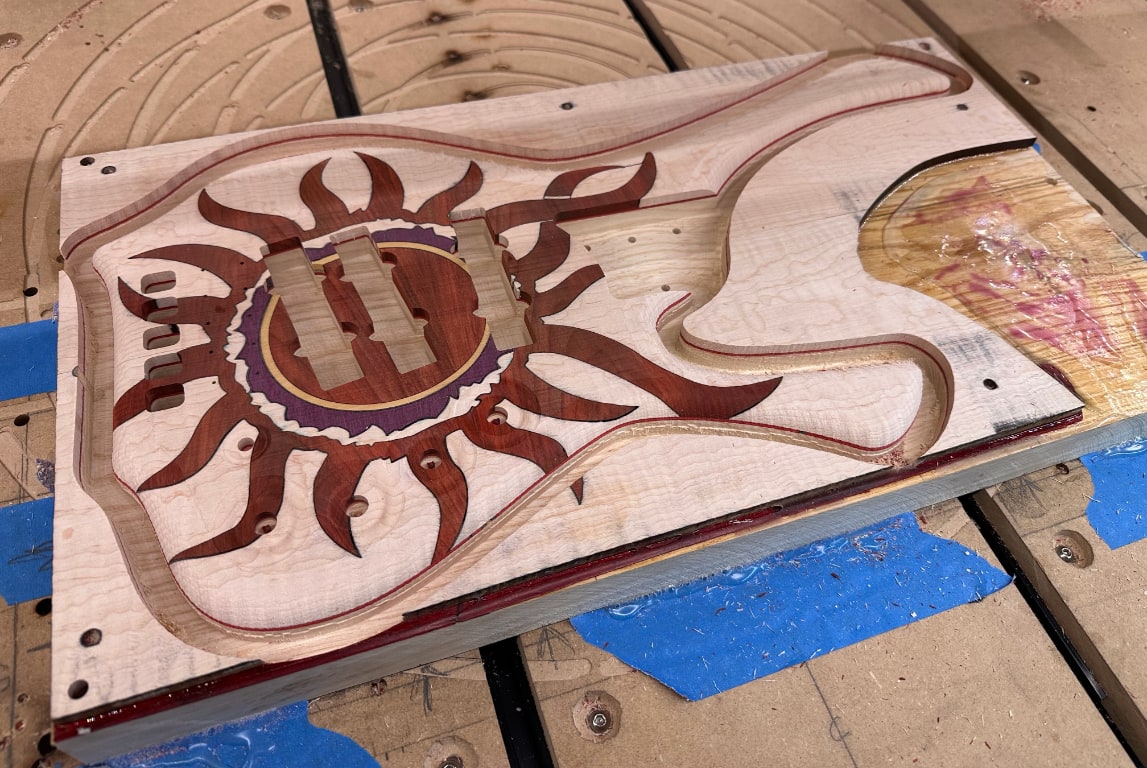
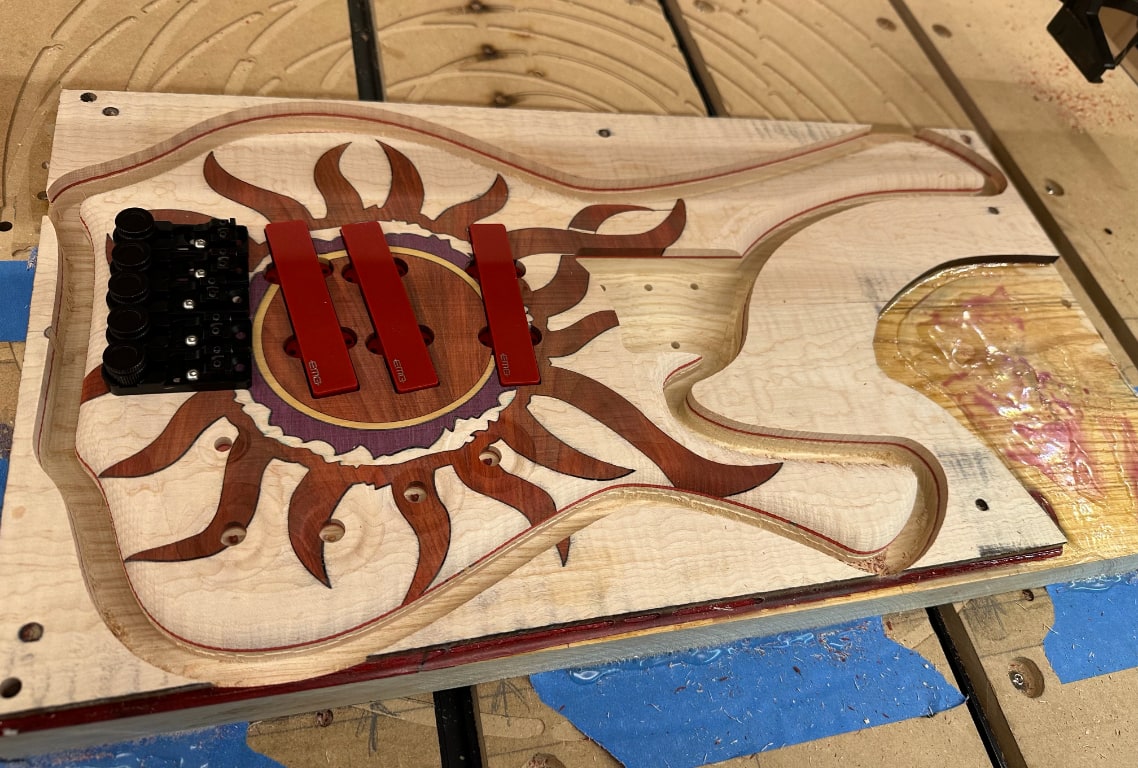
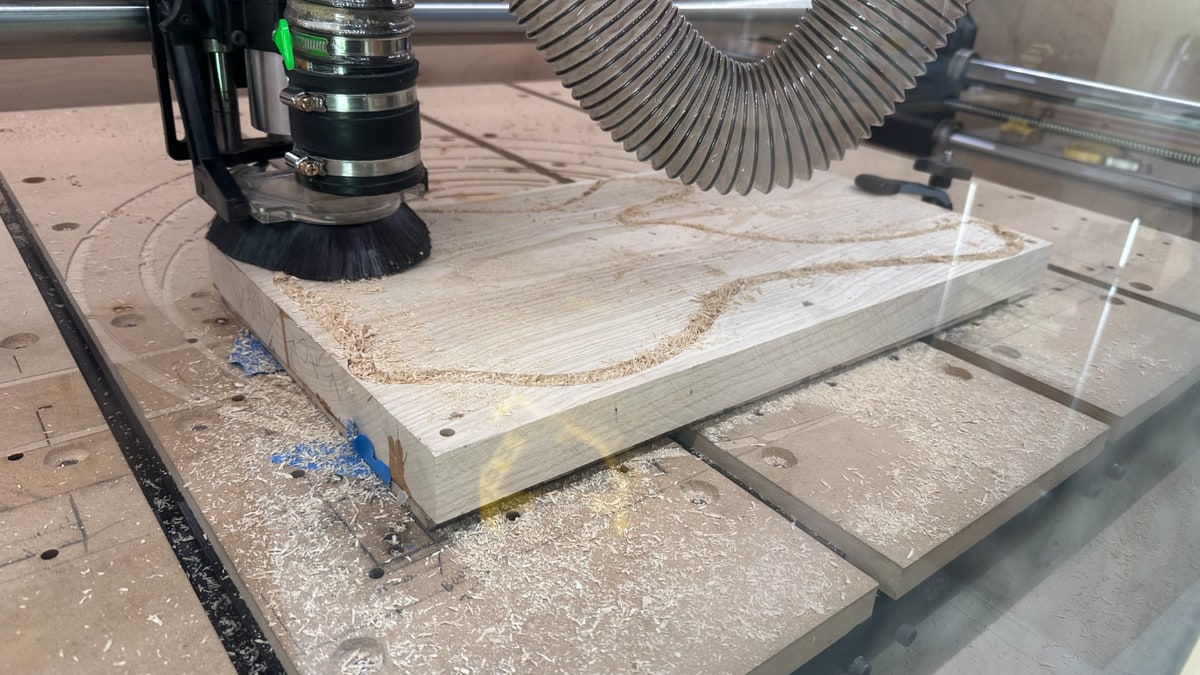
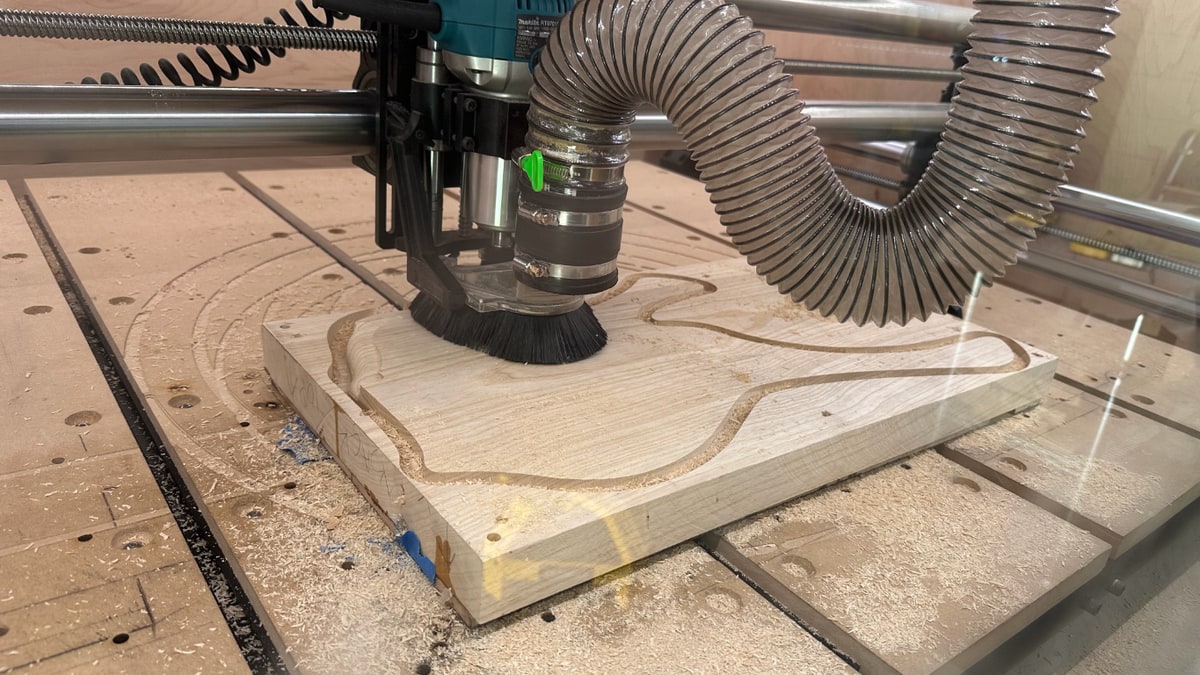
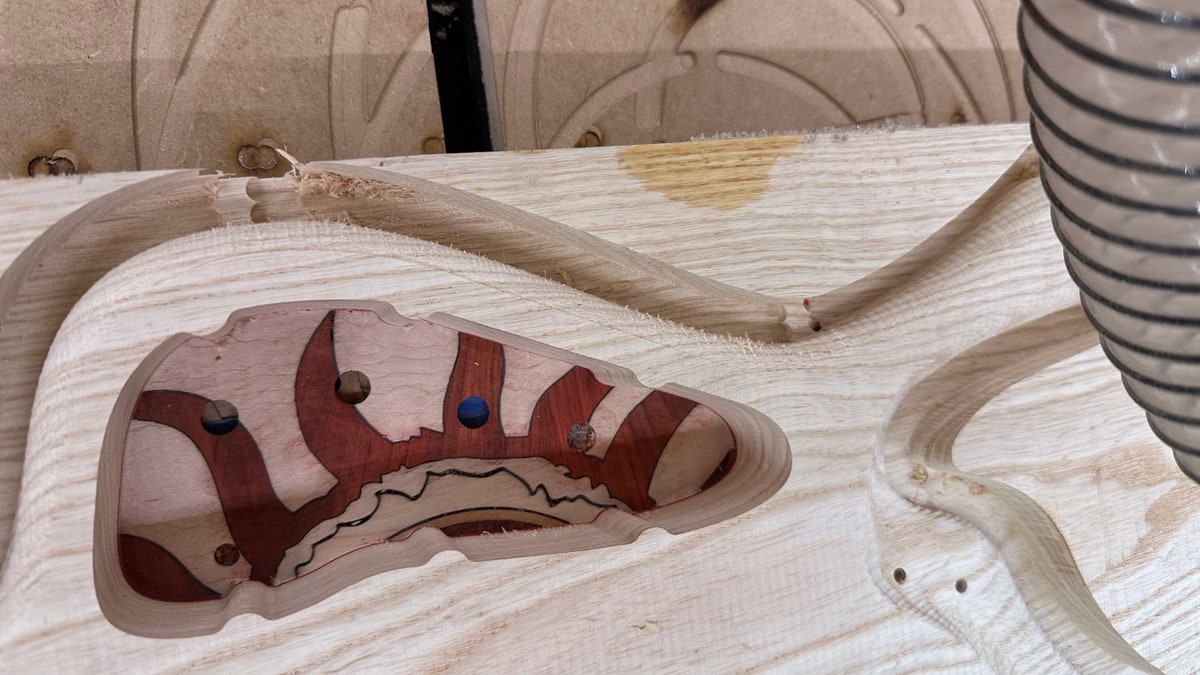
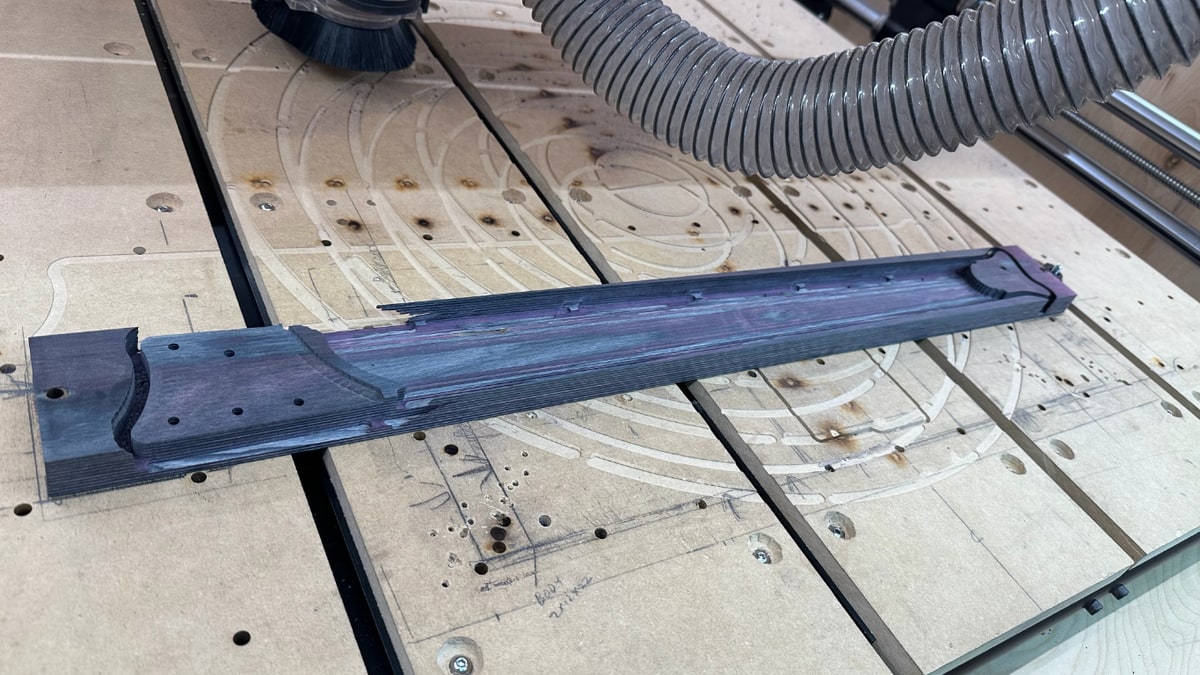
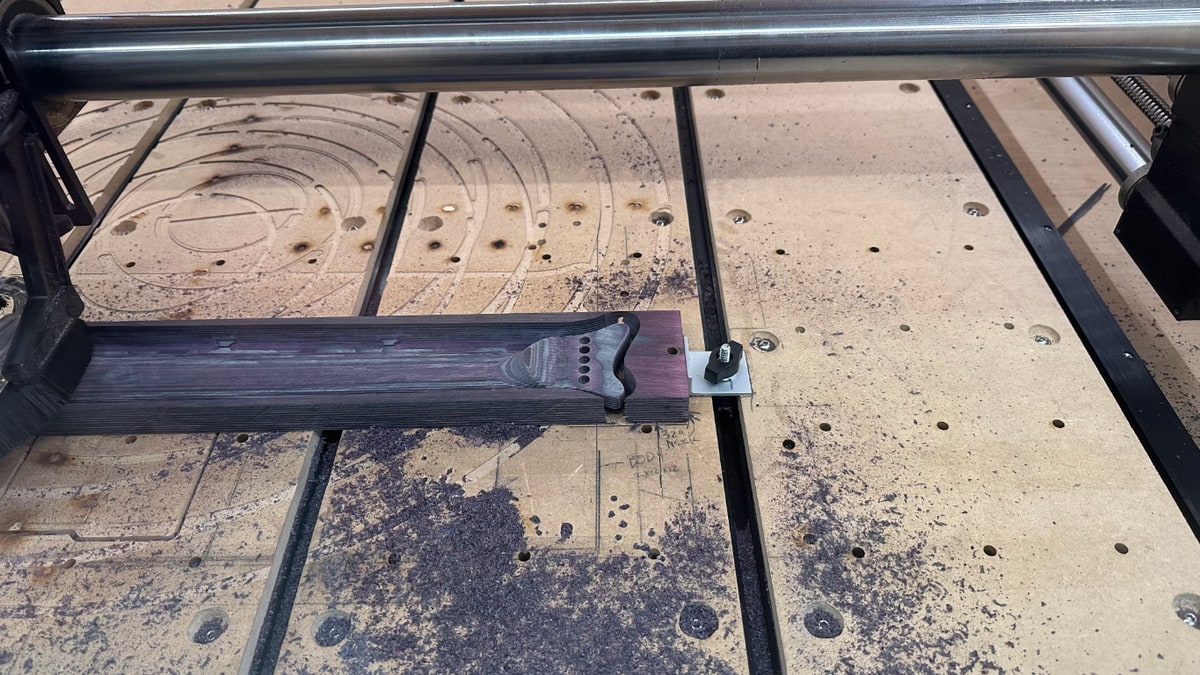
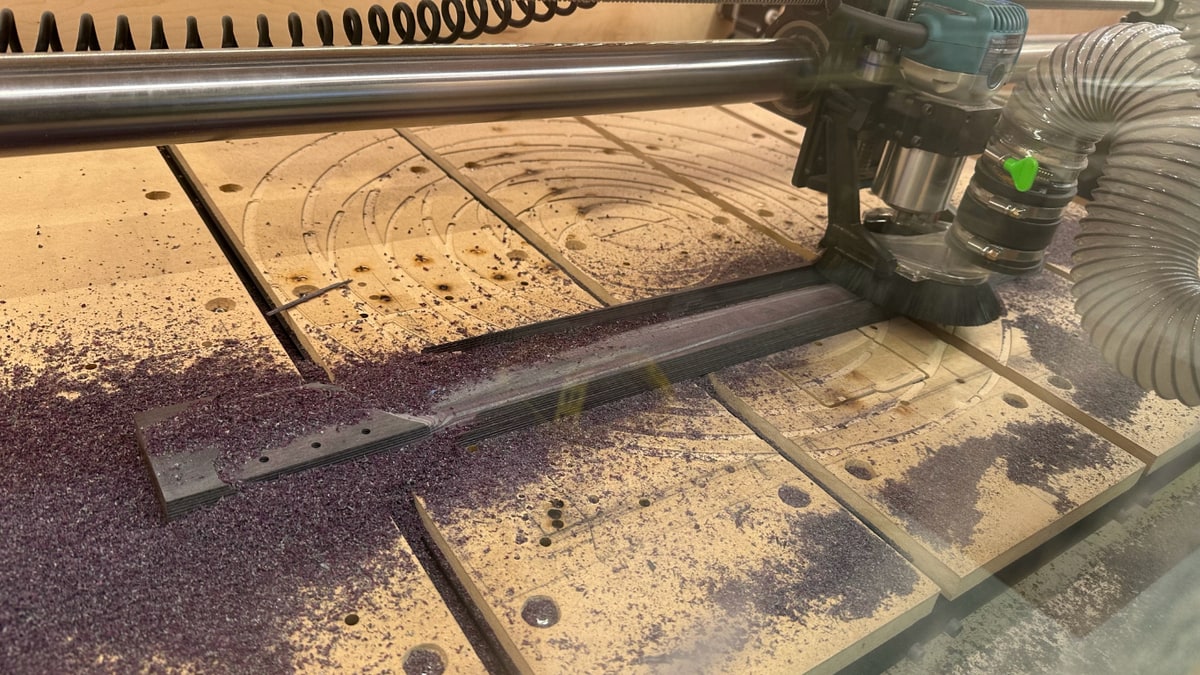
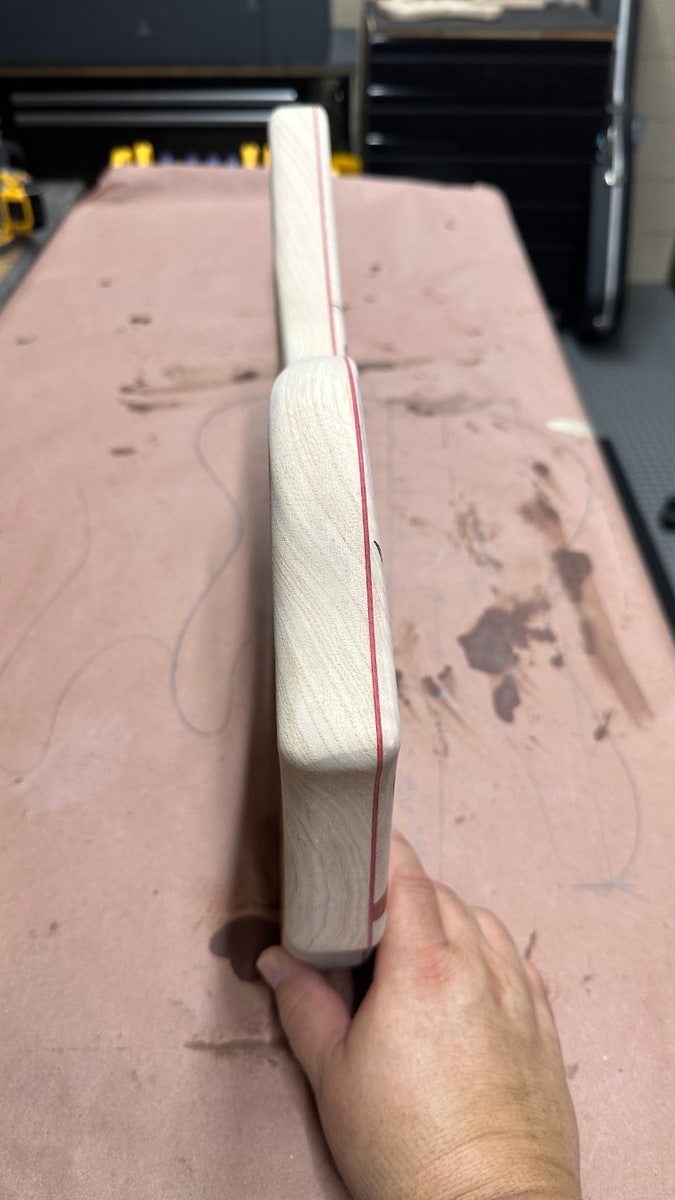
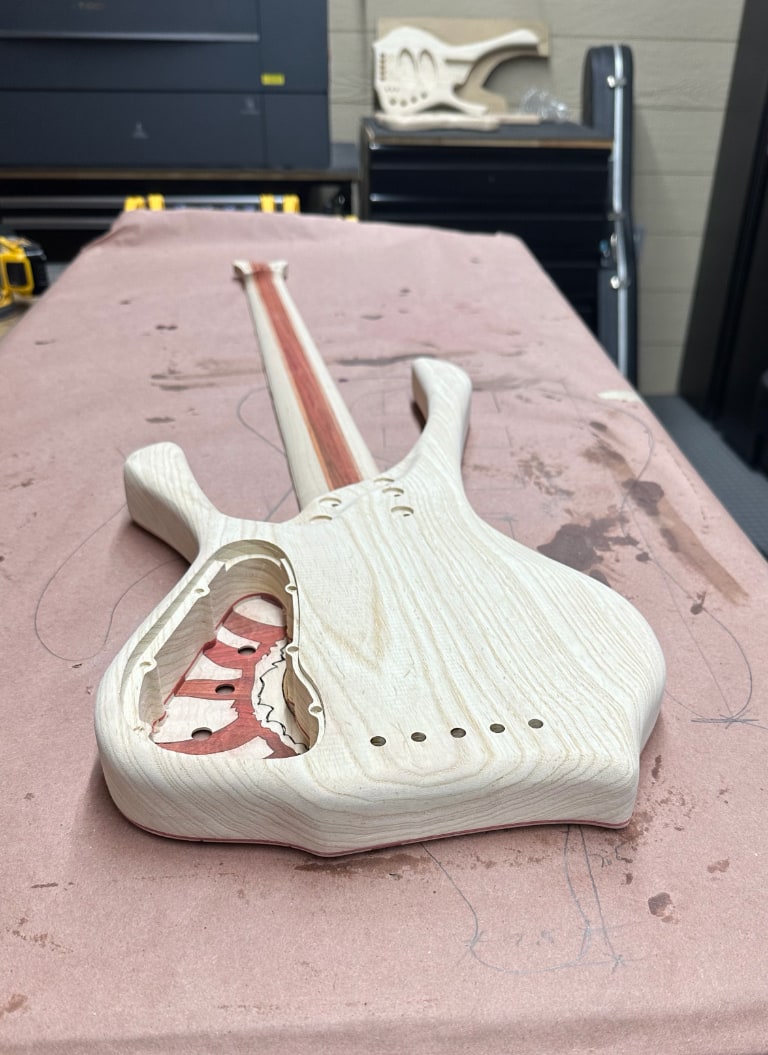
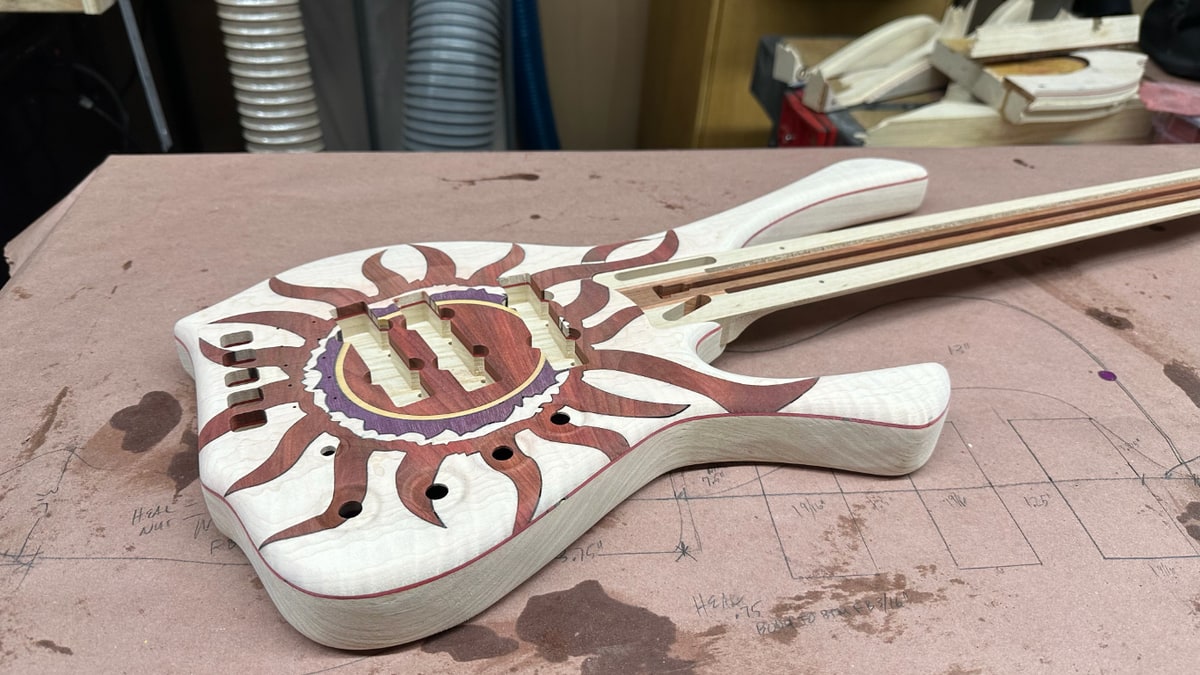
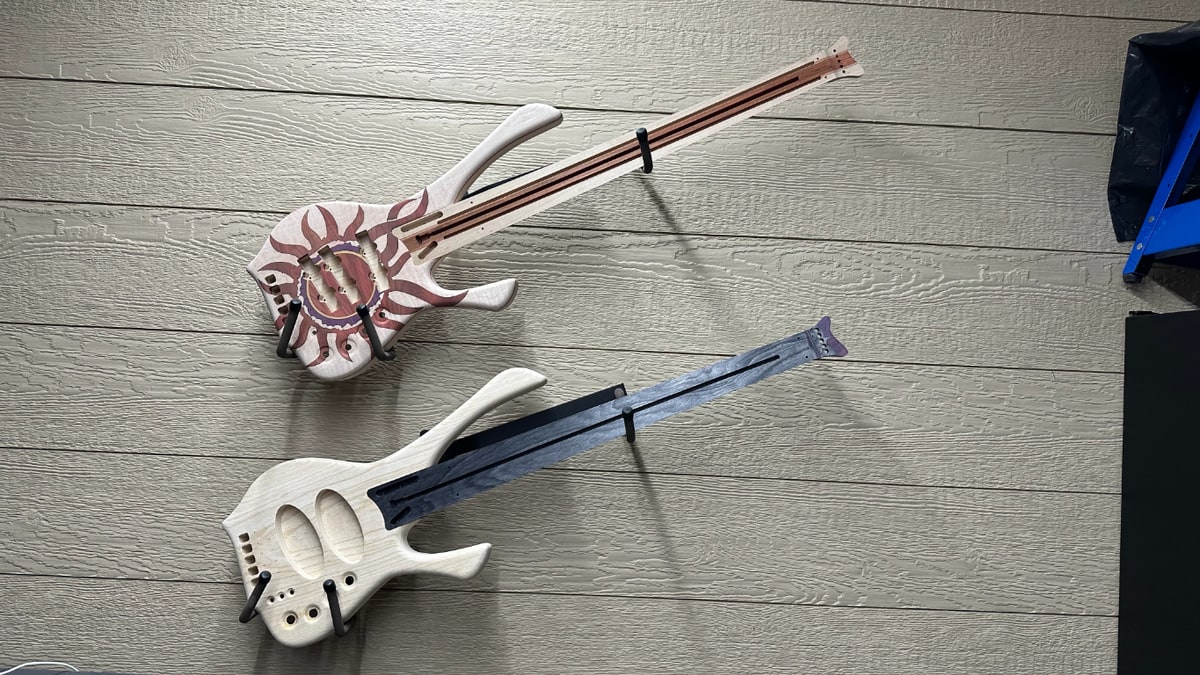
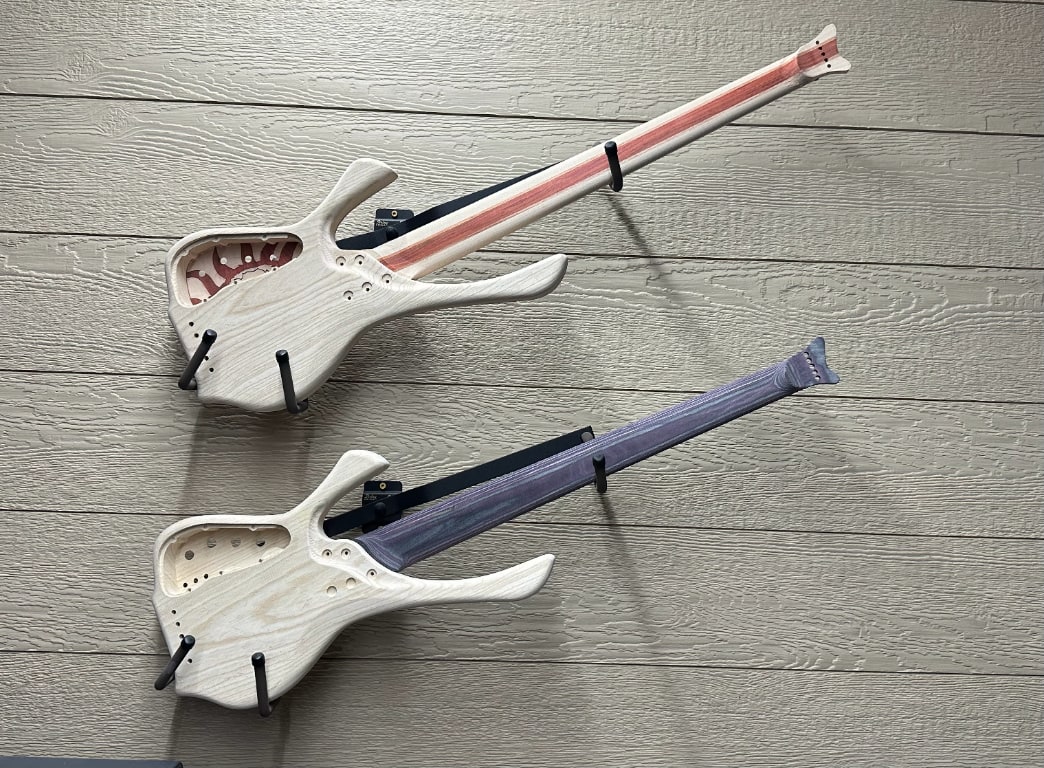
From layout to finished part
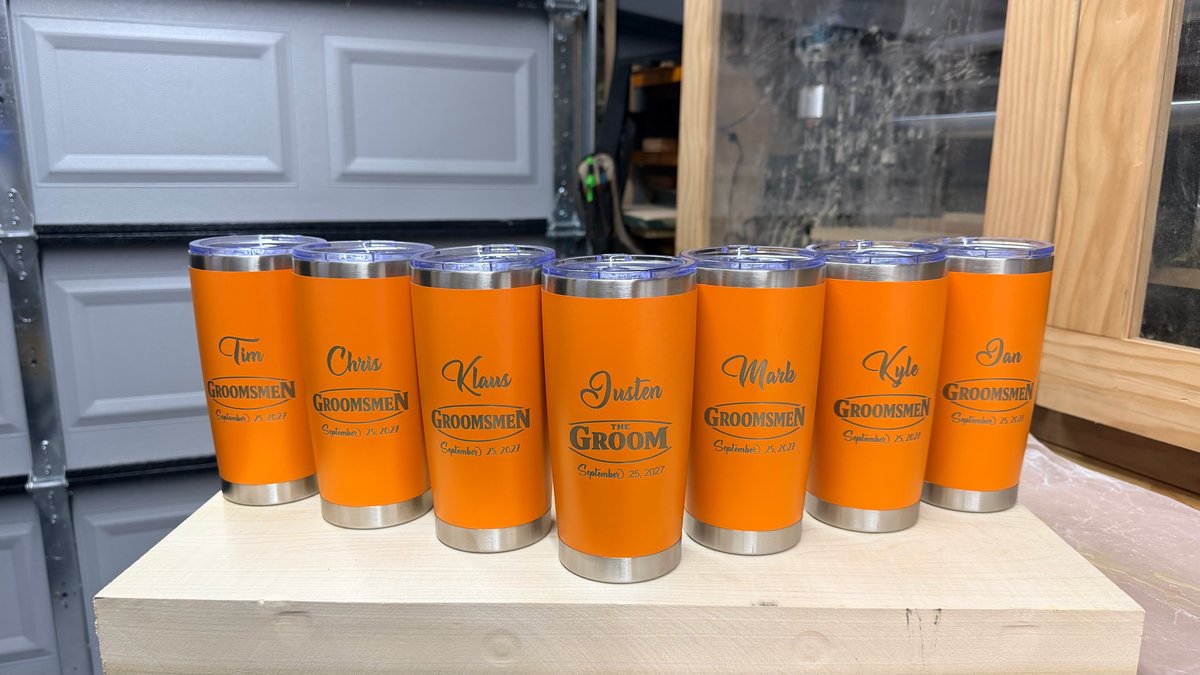
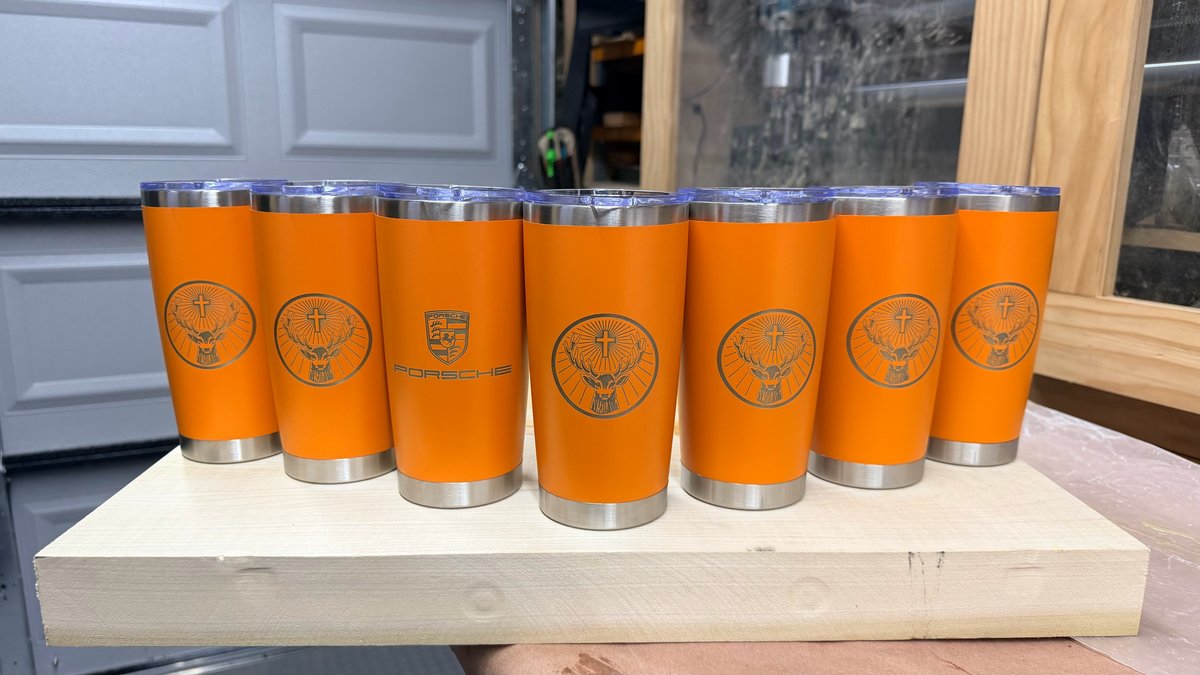
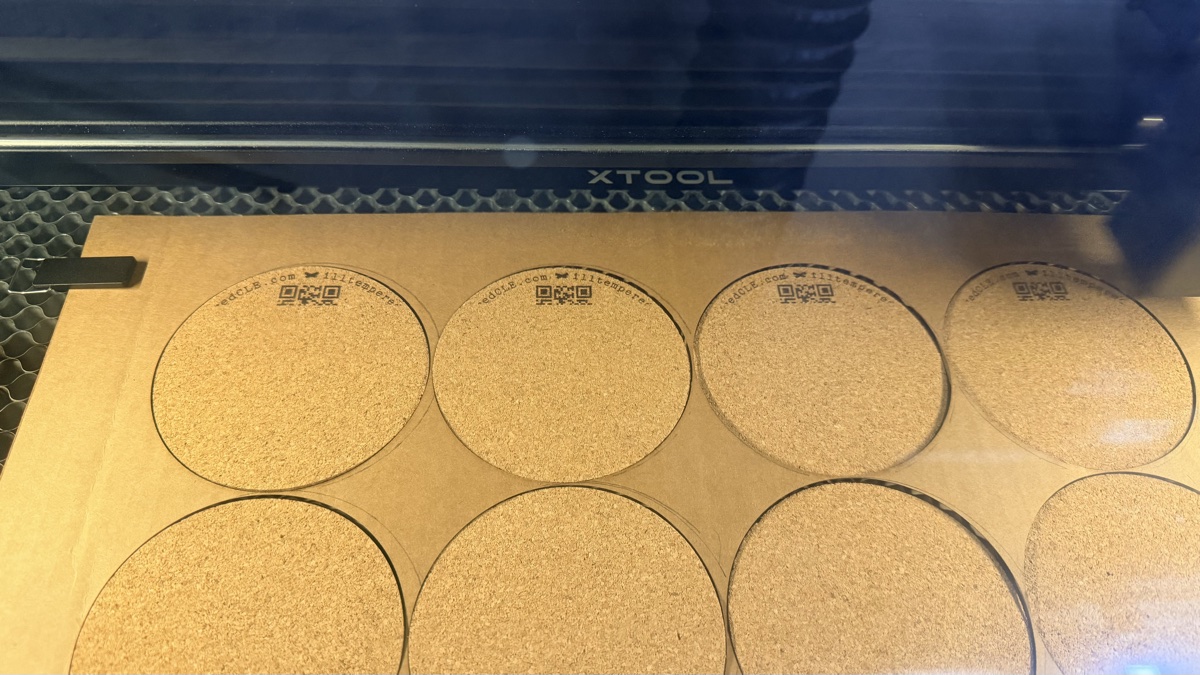
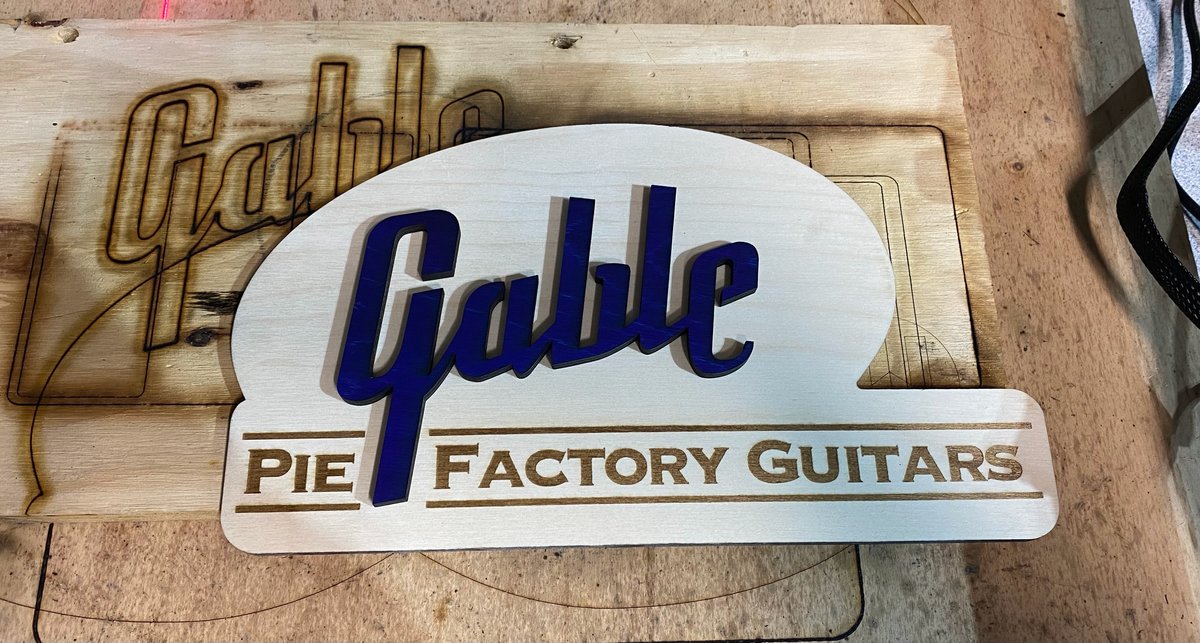
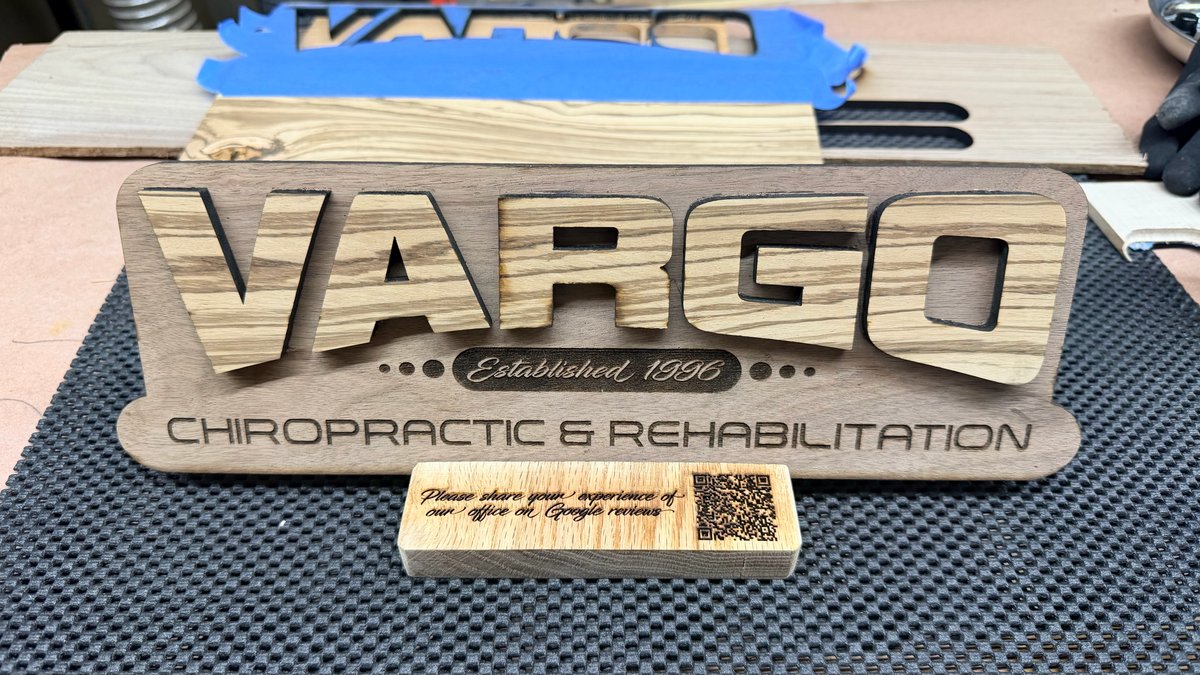
Laser fabrication and engraving
Custom instrument engraving, layered signs, personalized items, and laser-cut parts. Select a photo for a closer look.
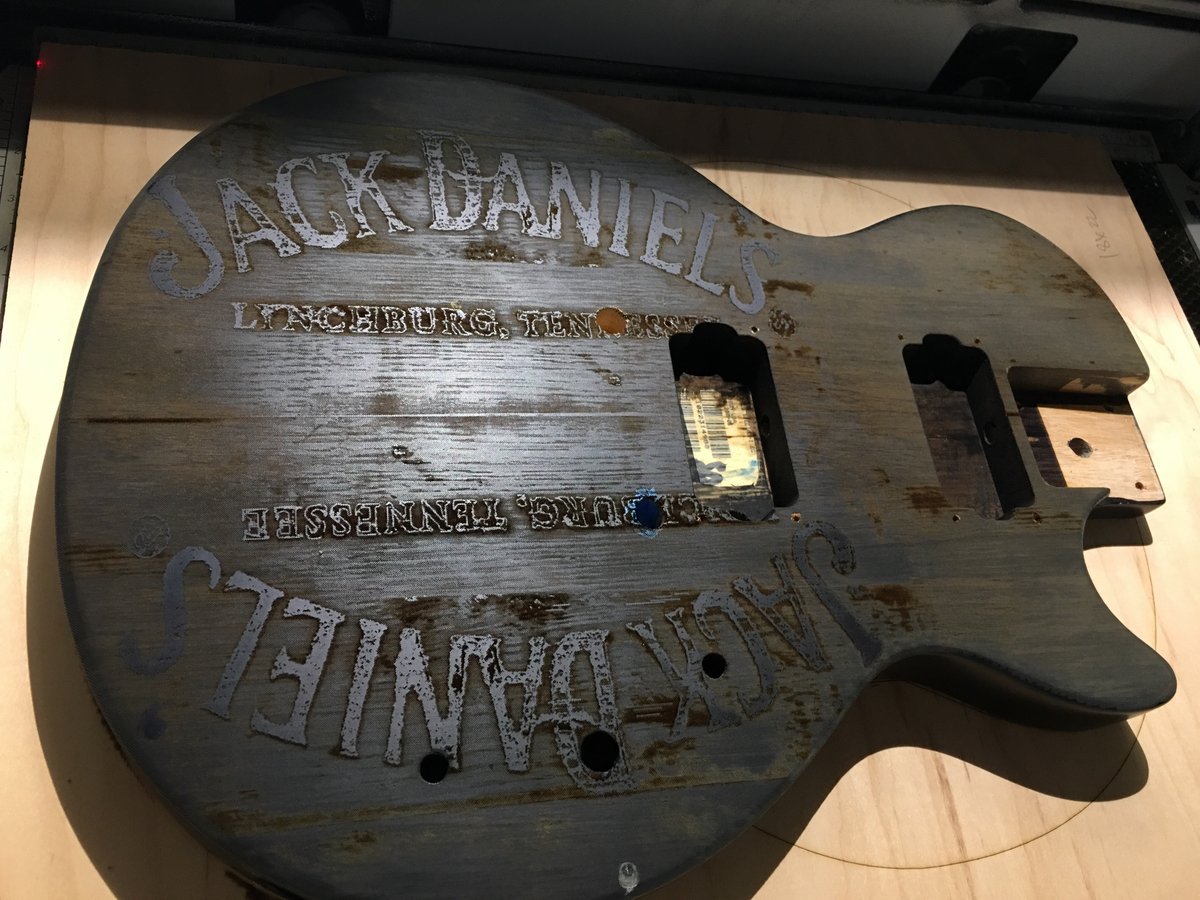
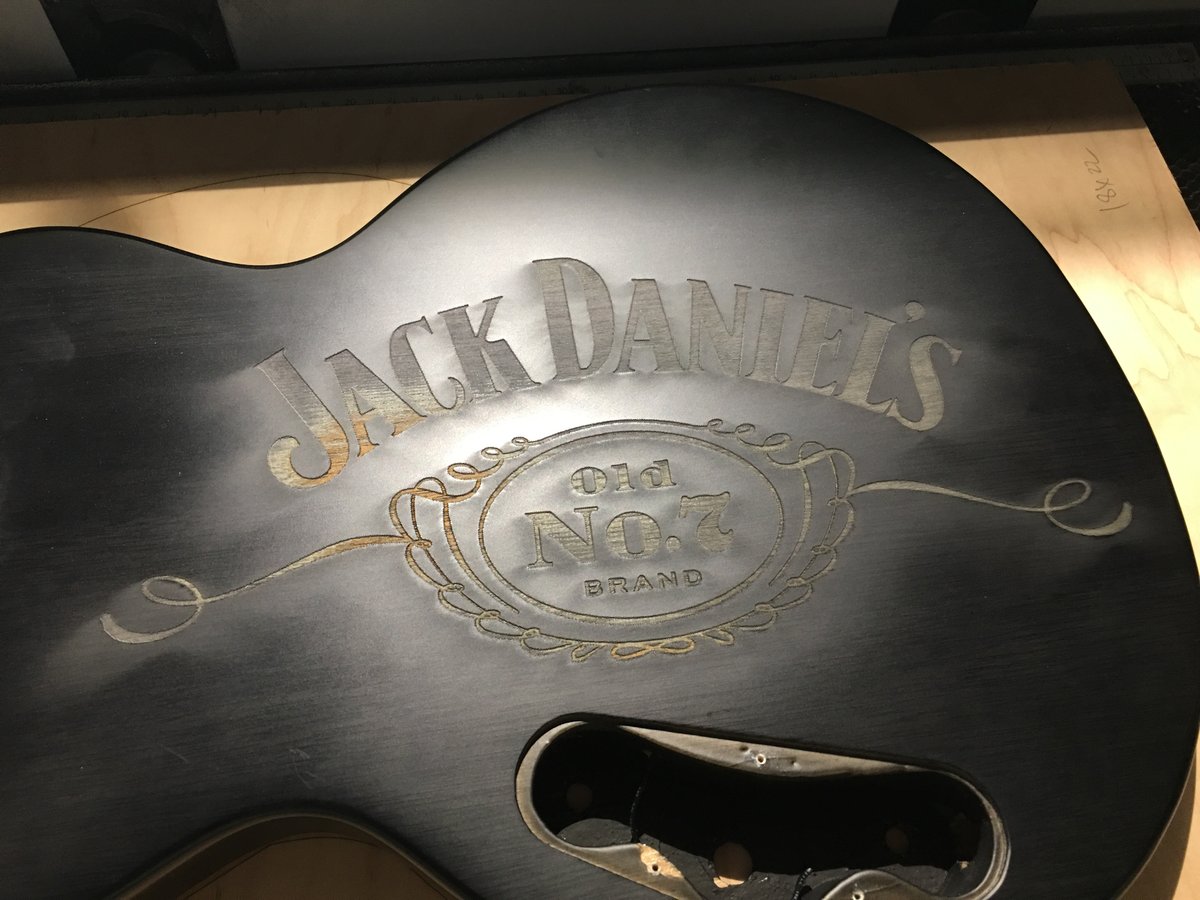
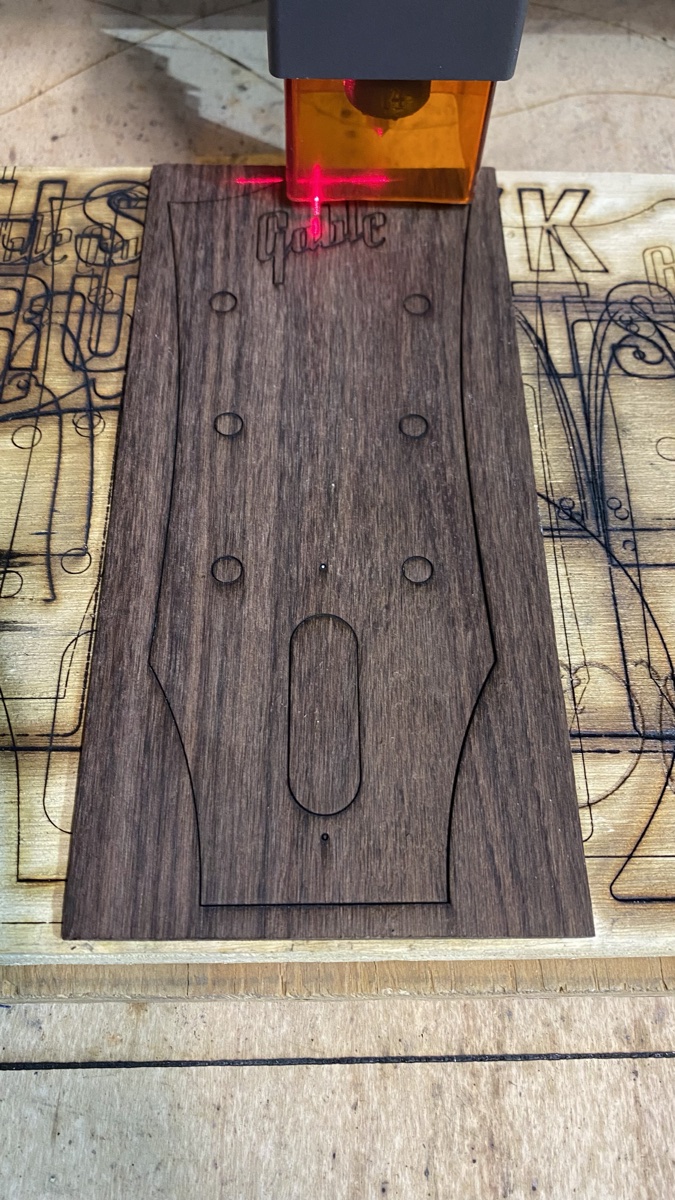
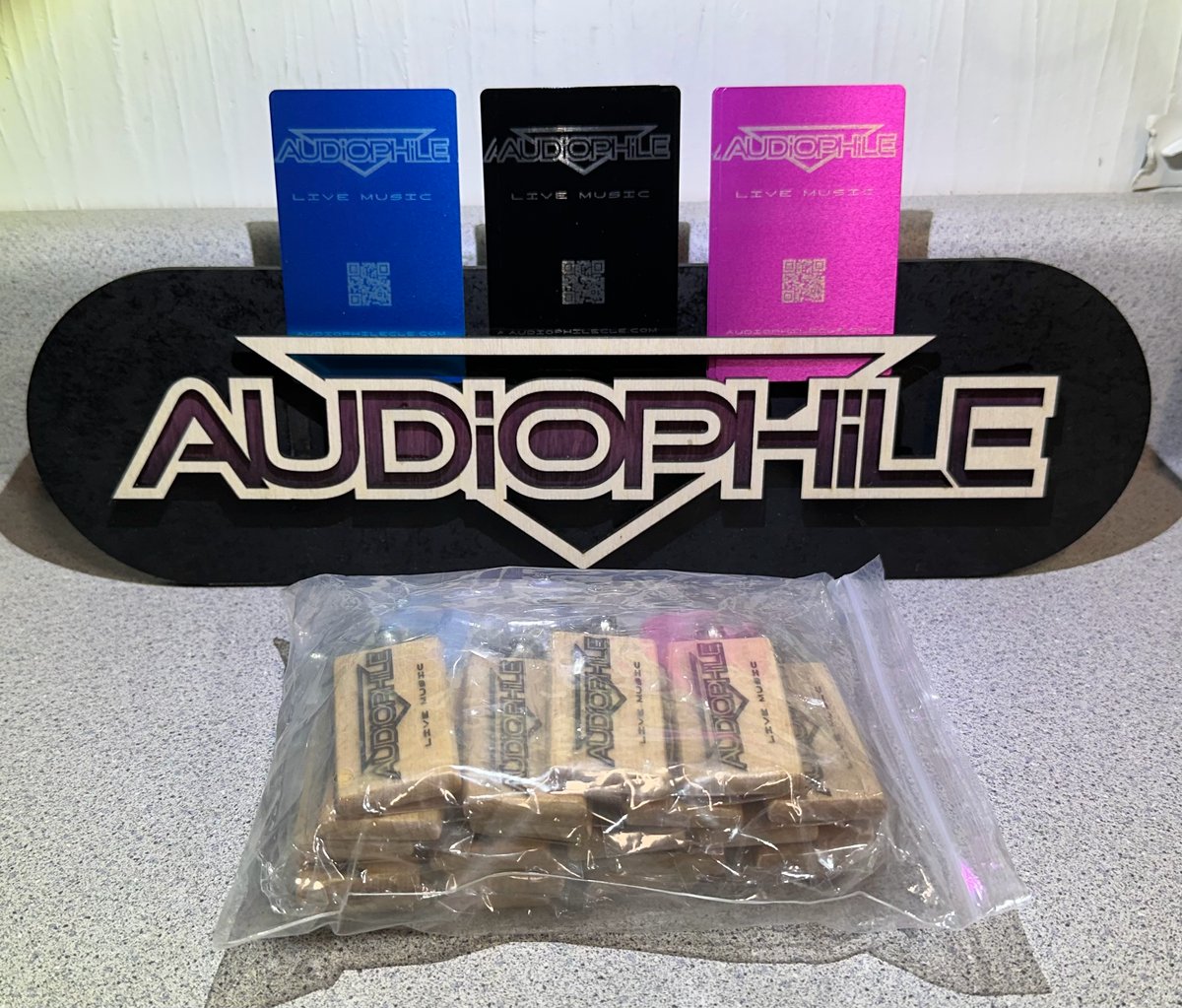
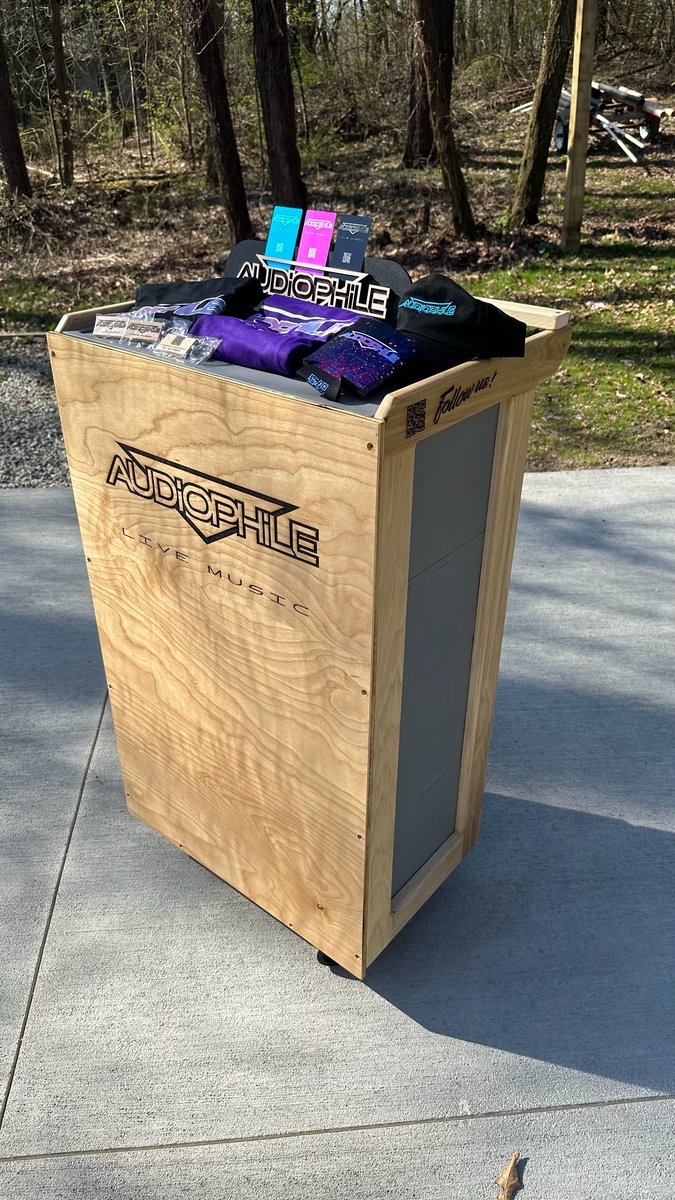
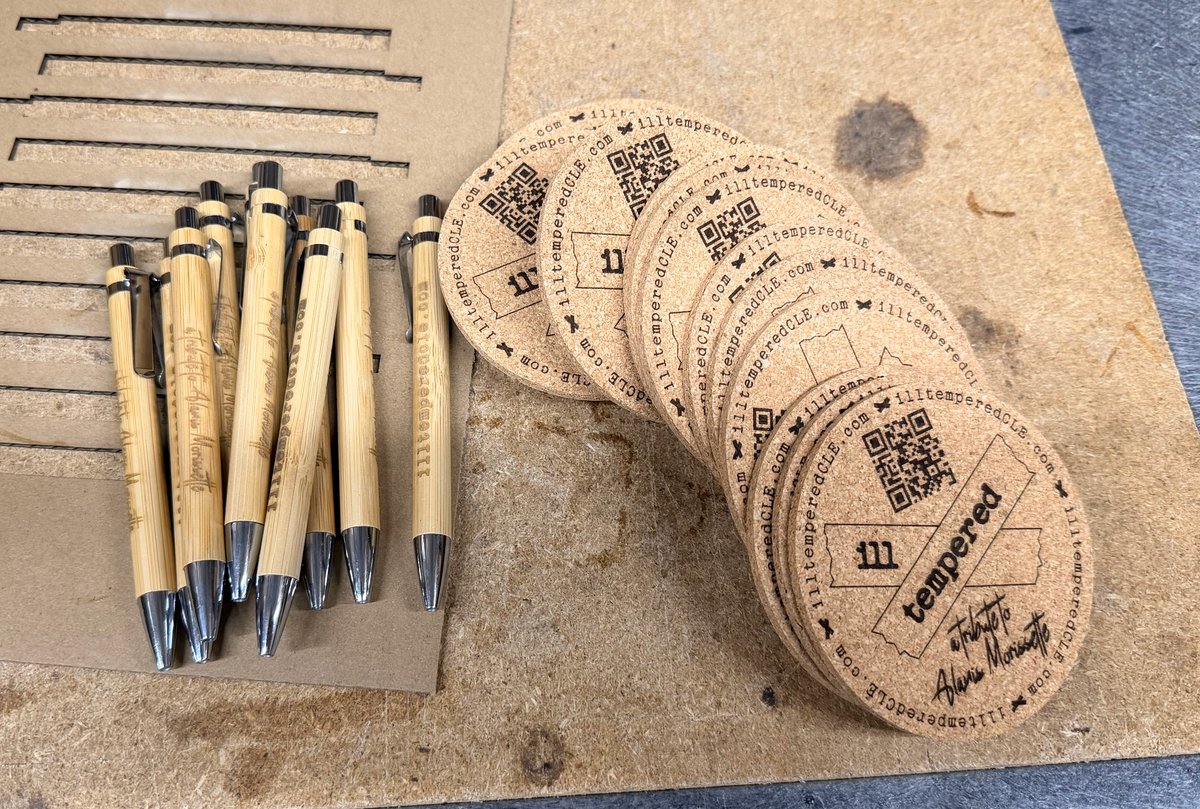
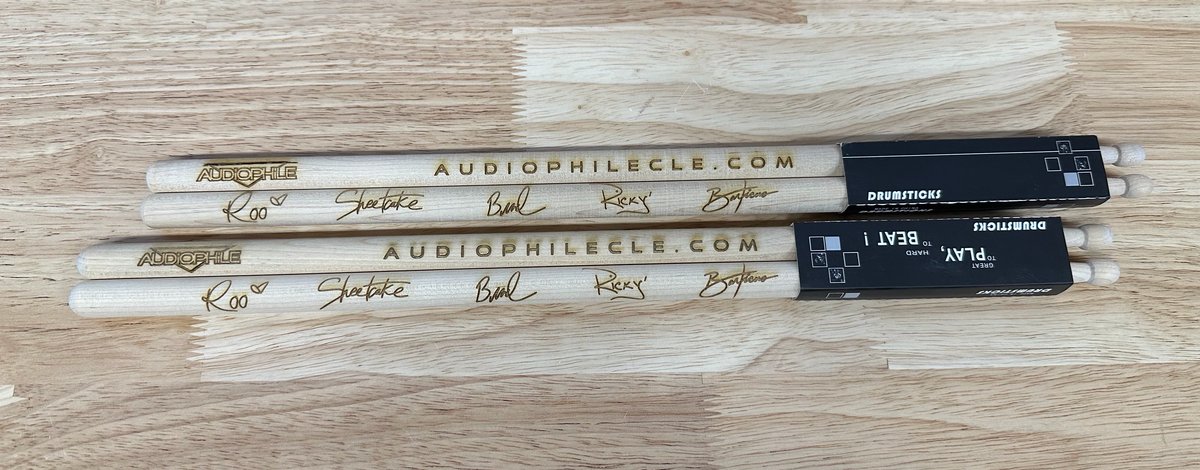
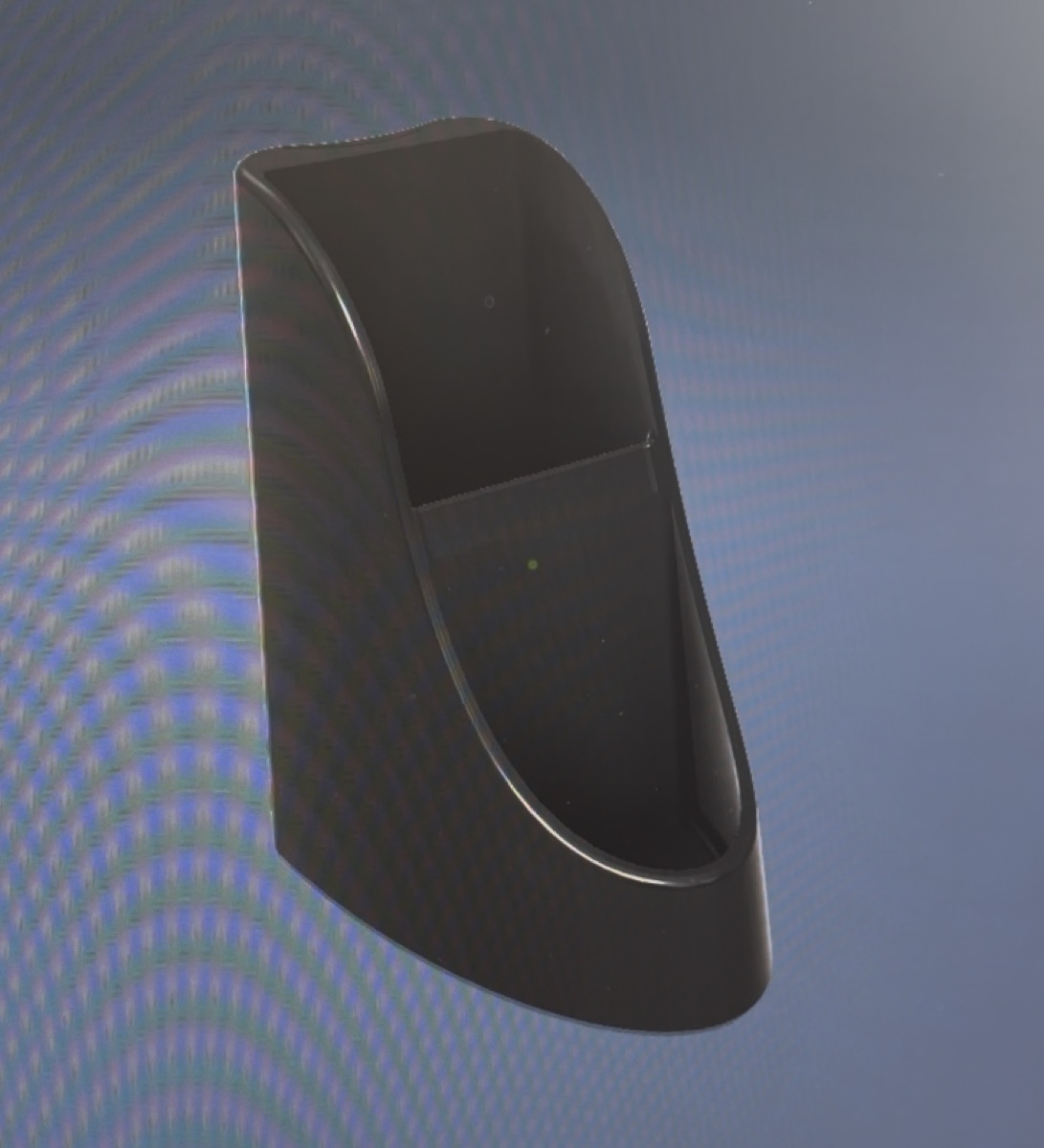
From CAD to printed part
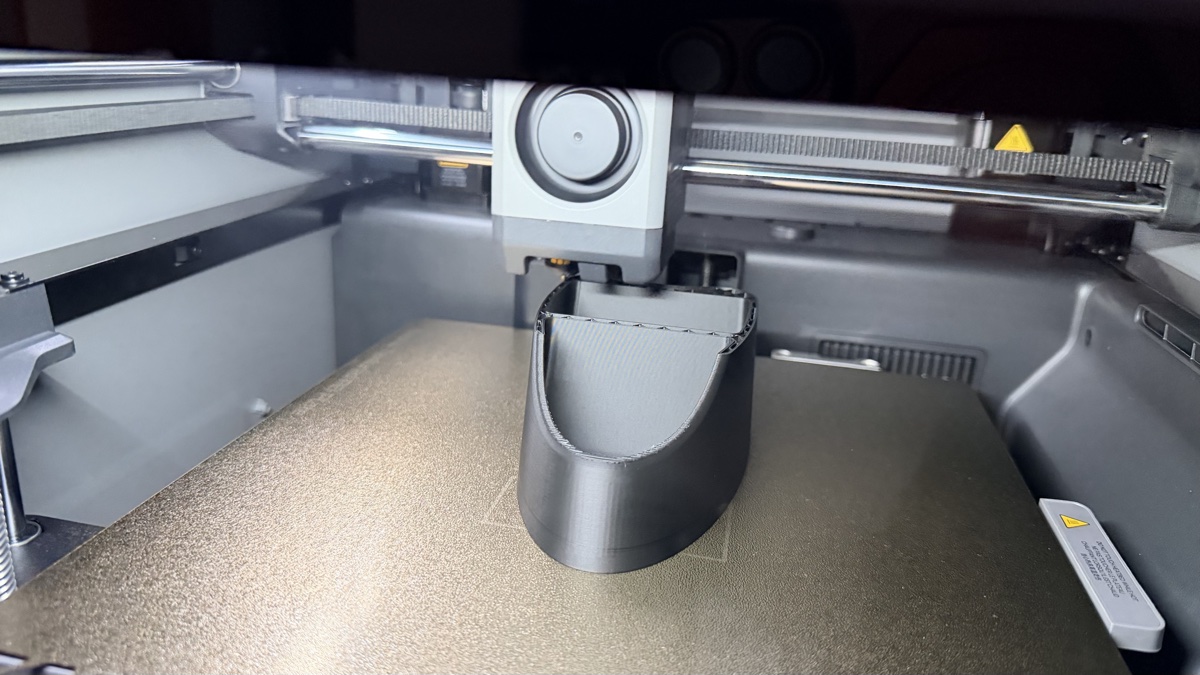
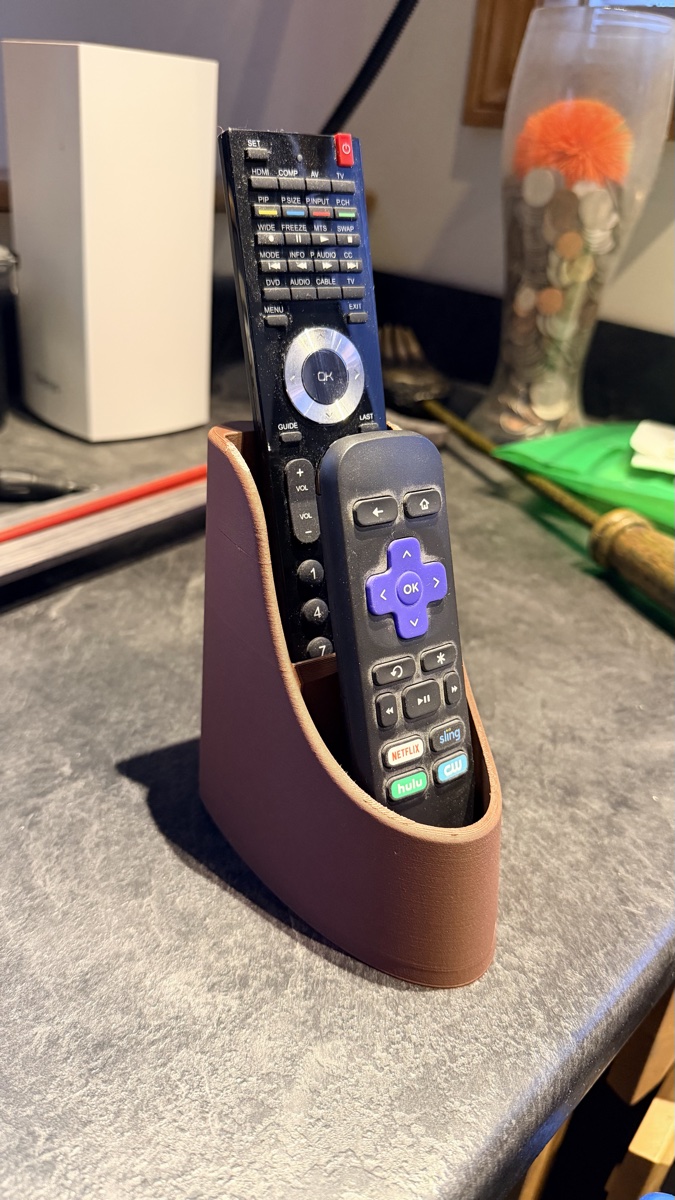
3D printing and custom prototypes
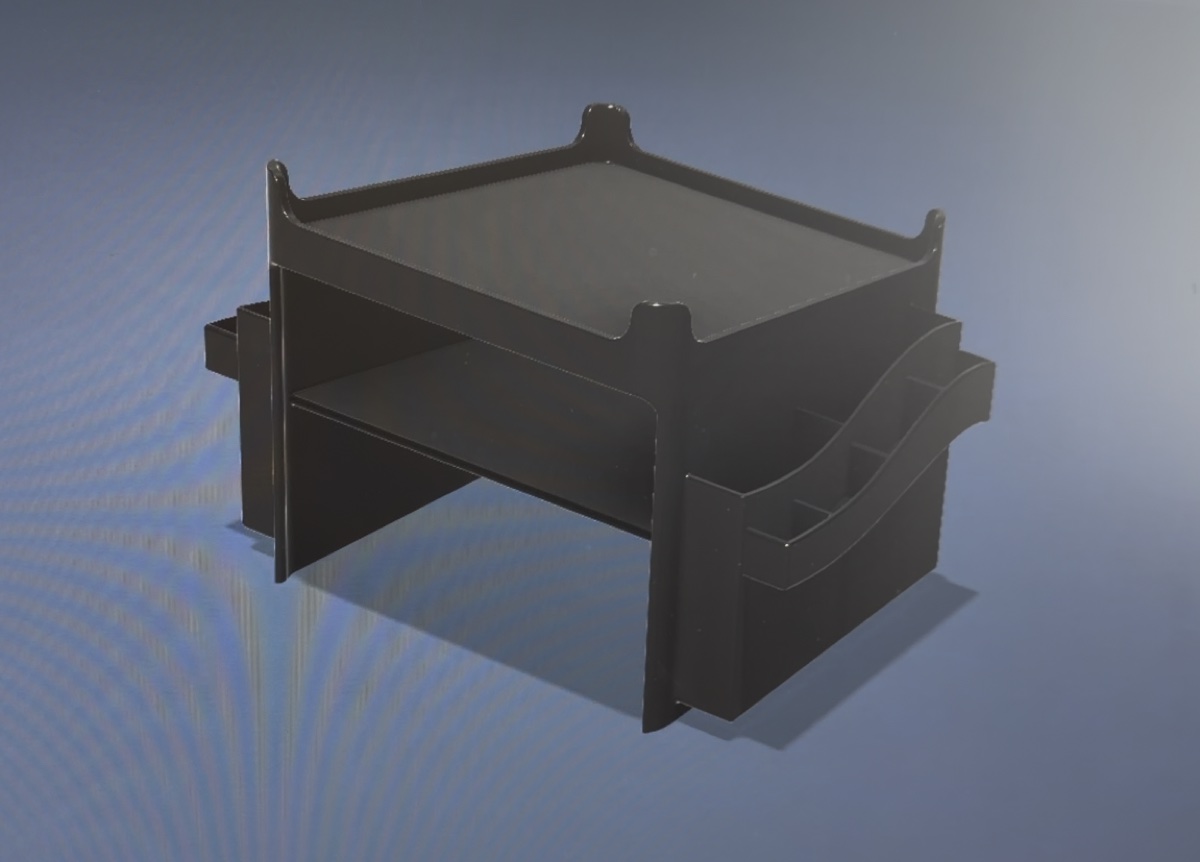
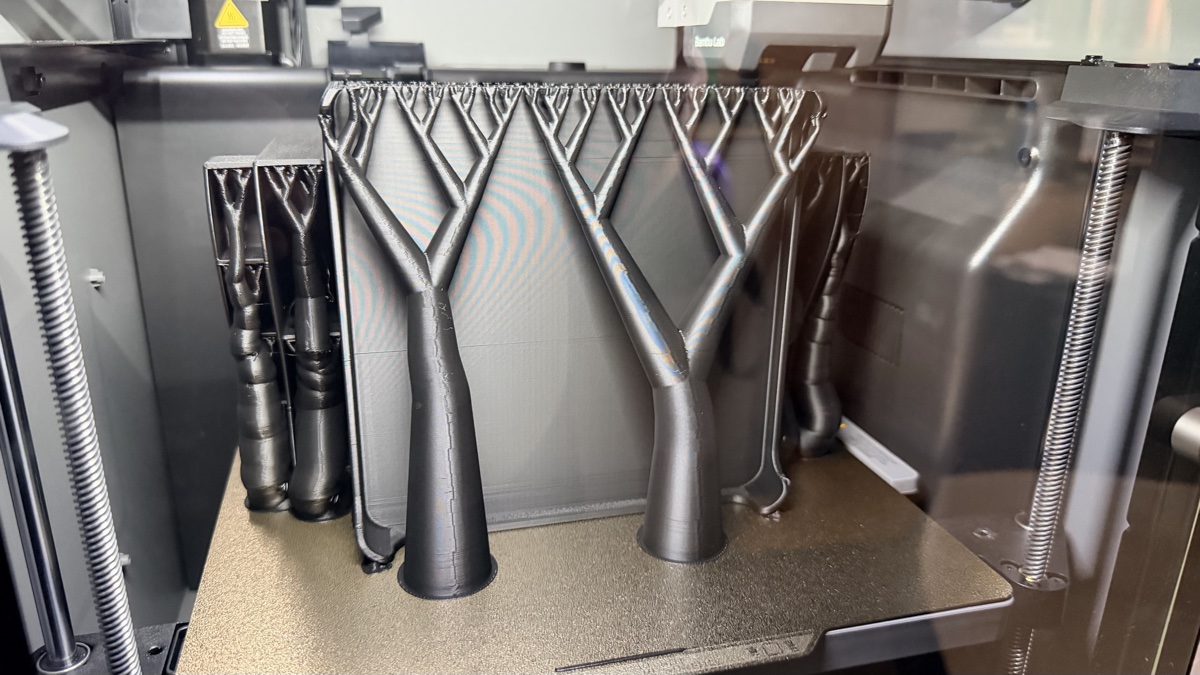
Custom holders, stands, shape trials, and positioning aids designed around the parts they support. Material, fit, working loads, and the intended environment guide whether a printed part suits the application. Explore the designs, printing process, and finished parts below.
Laser cutting, engraving, and marking
The laser is well suited to detailed two-dimensional work, fine graphics, identification, and components that benefit from a narrow, digitally controlled cutting path.
Potential applications include:
- Truss rod and electronics cavity covers
- Pickguards and control plates
- Headstock logos and decorative elements
- Inlay pieces and inlay layout aids
- Engraved serial, model, and identification plates
- Branded shop components and badges
- Layout, setup, and measurement tools
- Thin templates, patterns, and prototype parts
- Decorative panels and custom craft components
Cutting, engraving, and marking suitability depends on the material and the finished application. We review material compatibility before processing.
CNC cutting, routing, and carving
CNC operations support accurate profiles, pockets, cavities, drilling locations, contoured surfaces, and repeatable three-dimensional forms.
Potential applications include:
- Bass and guitar body profiles
- Neck blanks, profiles, and related features
- Neck pockets and joint geometry
- Pickup and control cavities
- Hardware recesses and mounting patterns
- Carved tops and ergonomic body contours
- Routing templates and master patterns
- Jigs, fixtures, and workholding components
- Drum-building and specialty woodworking tools
- Prototype and small-batch custom parts
The right process for each feature
Some projects are best produced entirely by laser. Others require CNC machining or suit 3D printing. Many benefit from a combination of processes.
A routing template, for example, may require a CNC-machined perimeter and pocket geometry plus laser-engraved labels, centerlines, or setup notes. An inlay project may use laser-cut decorative pieces, a CNC-routed recess, or a process developed around the material and level of detail.
A printed shape trial can help check fit and handling before machining a part. Custom stands and holders may also be printed when their material and construction suit the working loads and environment.
We evaluate:
- Part size and geometry
- Two-dimensional or three-dimensional features
- Material type and thickness
- Edge and surface requirements
- Required fit and tolerance
- Workholding and registration
- Prototype or repeat-production quantity
- Secondary operations and finishing
Custom templates that match your workflow
Generic templates often require the builder to adapt the project to the tool. Custom templates reverse that relationship.
Bass Foundry can design and fabricate templates for:
- Body profiles and chambers
- Neck pockets and neck shapes
- Pickup cavities
- Electronics and battery cavities
- Bridges, tuners, and other hardware
- Drilling and alignment
- Carving and contour references
- Repeated decorative or assembly operations
Templates can include practical setup information such as centerlines, reference points, part identification, or orientation markings when the material and process allow.
From file preparation to finished part
Digital fabrication depends on more than loading a file into a machine. Design and geometry must be production-ready, dimensions must reflect the intended fit, and the machining workflow must match the material. Tool paths, feeds, and speeds are planned for the stock, tooling, and desired finish.
Our support can include:
- Reviewing supplied files, drawings, or reference parts
- Correcting or developing production geometry
- Selecting the appropriate laser, CNC, 3D-printing, or combined process
- Planning registration, workholding, and cutting sequence
- Producing a prototype or first article when appropriate
- Confirming the result before repeat production
Information to provide
The most useful project requests include:
- A description of the part and how it will be used
- Overall dimensions and critical fit points
- Preferred material and thickness
- Desired quantity
- Vector, CAD, drawing, or reference files if available
- Surface, edge, engraving, or finishing expectations
- A physical reference part when digital information does not exist
If some of this information is unknown, our design and engineering services can help define it.