Bass Foundry
Custom Parts & Fixtures
Custom details for instruments and tools for your shop
A finger ramp that follows your playing position. A pickguard that fits your pickup layout. A truss rod cover that finishes the headstock with character. At Bass Foundry, custom parts are designed around the instrument, the player, and the work they need to do. We also develop equipment housings, routing templates, and fixtures around the way you build, assemble, and use your gear.
We combine decades of designing, building, modifying, and playing instruments with digital design and practical fabrication. From a single replacement to parts for another builder’s production run, we select materials, confirm dimensions and mounting points, and make the parts to fit.
Our capabilities include 3D printing, laser cutting, laser engraving, and CNC machining. A part may use one process or several; the application determines the method, not the other way around.
Made for your instrument. Built for your shop.
Explore custom parts & fixtures
Finger Ramps
Height, contour, and placement shaped around your technique and your bass.
Explore finger ramps →Pickguards
Pickguards cut to fit your body shape, pickup openings, and screw locations.
Explore pickguards →Truss Rod Covers
Truss rod covers fitted to your headstock, with individually selected woods and personalized engraving.
Explore truss rod covers →Custom Parts & Fixtures
Instrument components, equipment housings, routing templates, and shop tooling designed around your project.
Explore parts and fixtures →Custom parts for instruments and gear
Custom work extends beyond the instrument itself. We design and fabricate equipment housings, panels, and supports with the mounting holes, cable openings, and access needed for your setup.
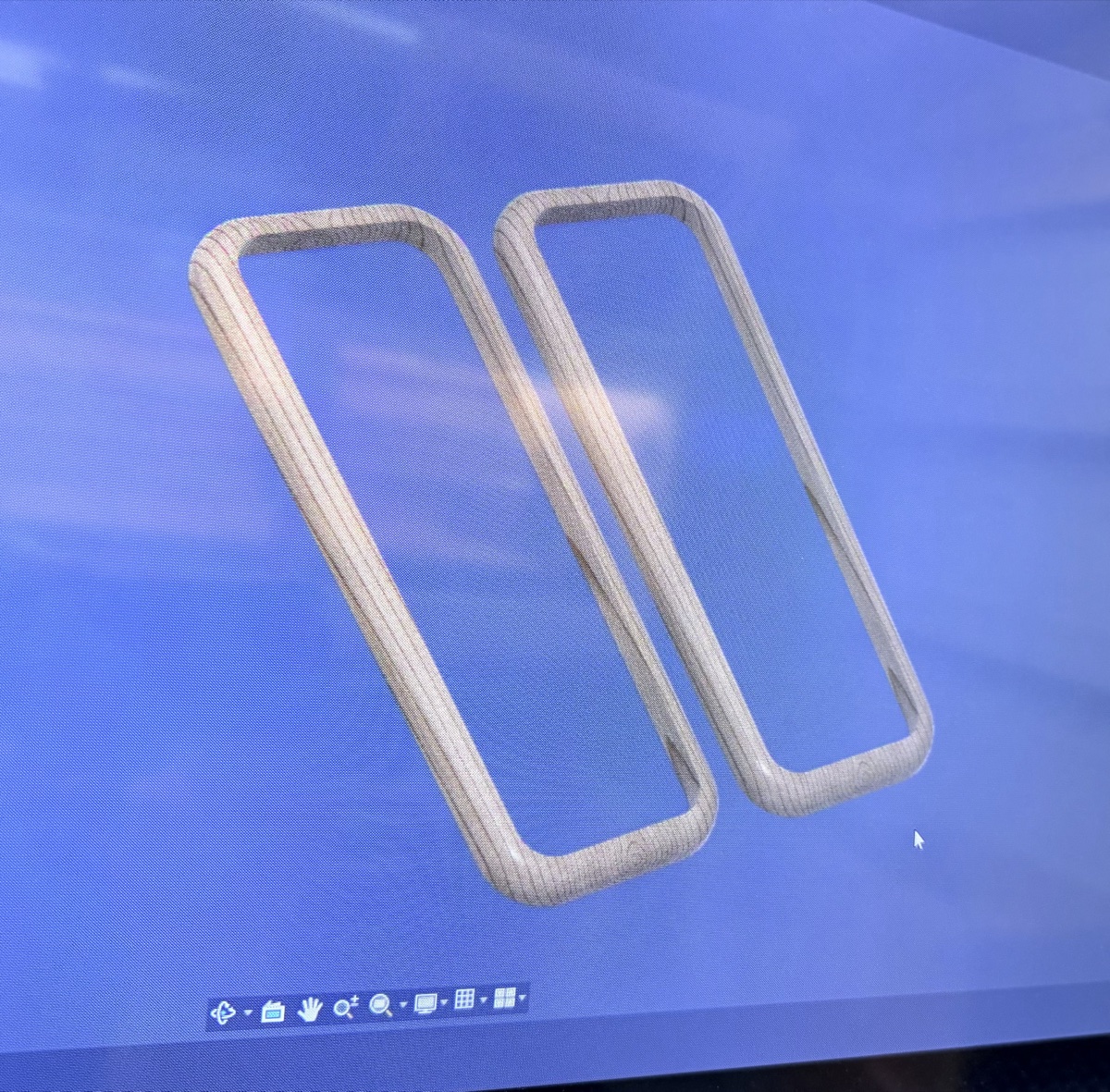
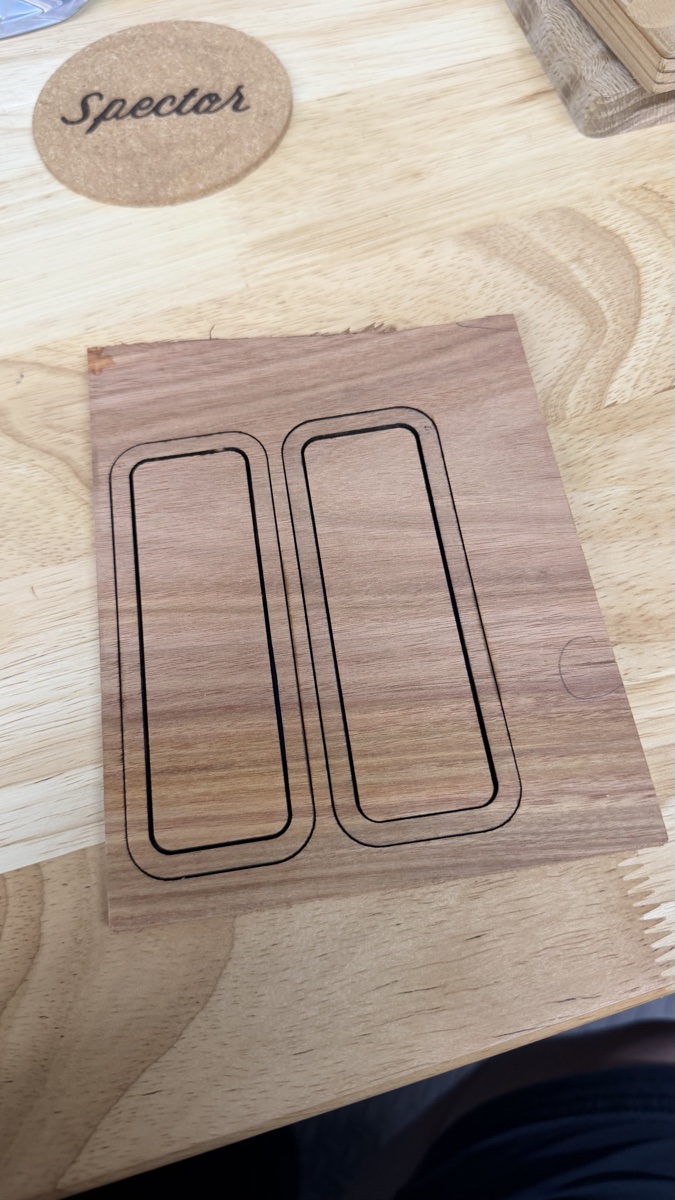
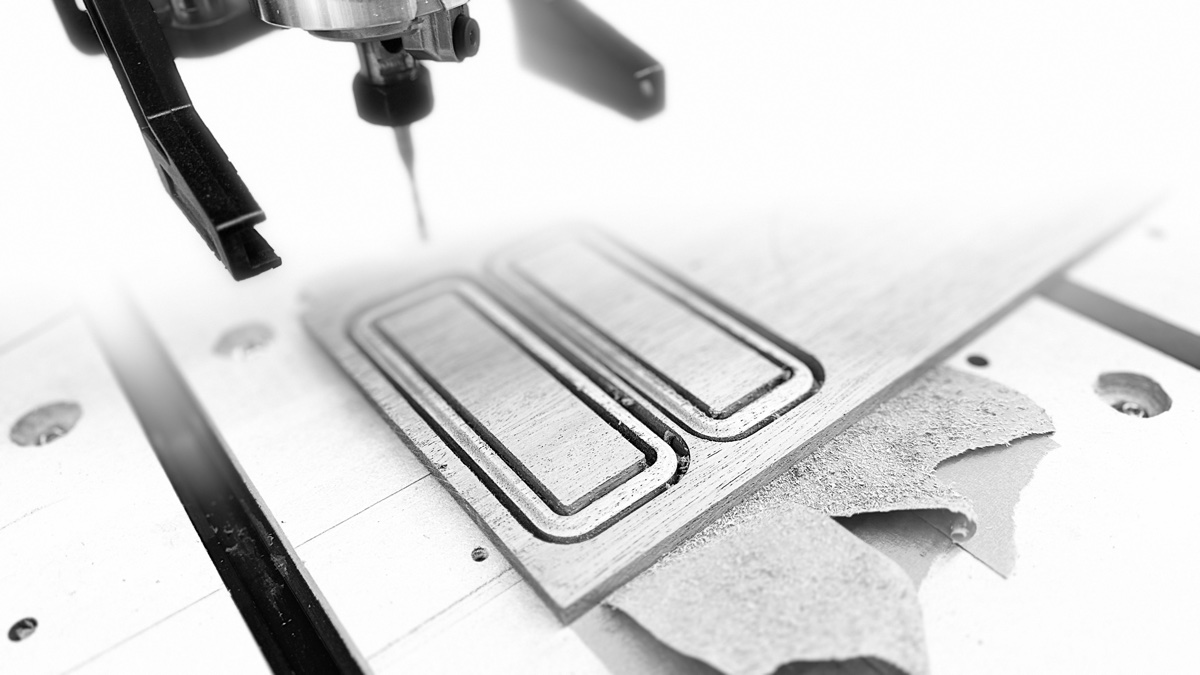
Instrument parts can be just as individual. Pickup bezels, for example, are developed around pickup dimensions, mounting requirements, adjustment clearance, and the character of the instrument. We choose the bezel’s thickness, outer shape, edge finish, and material to suit the pickup and body.
Custom component fabrication
From design to CNC carving
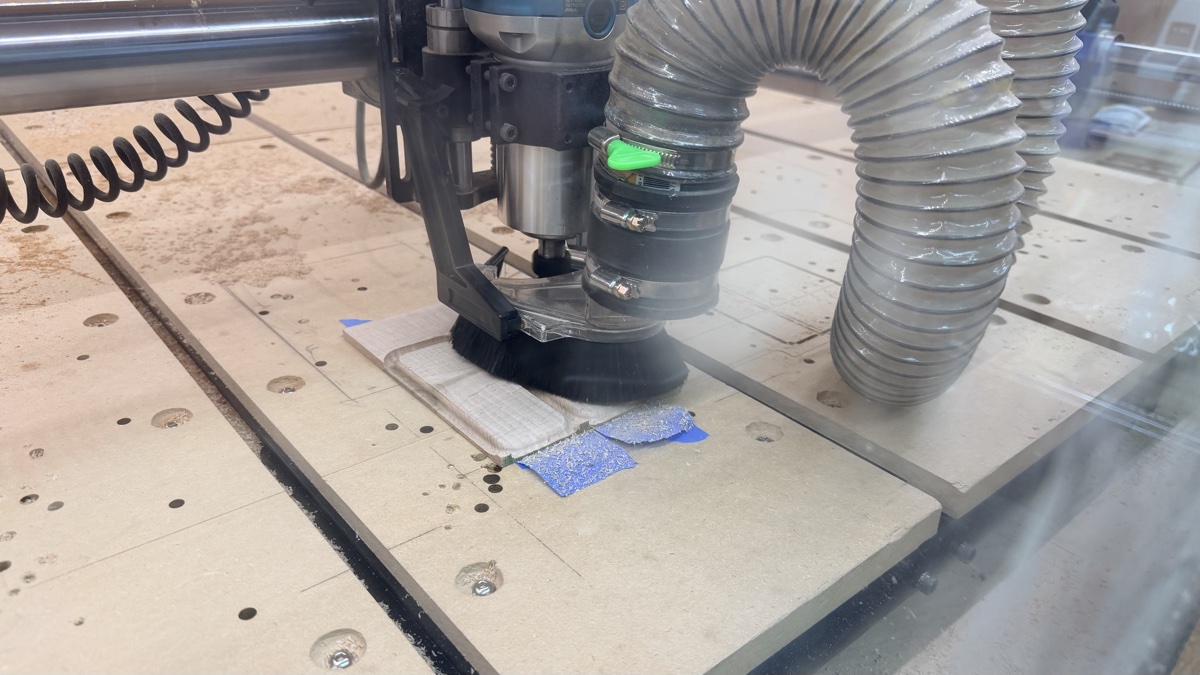
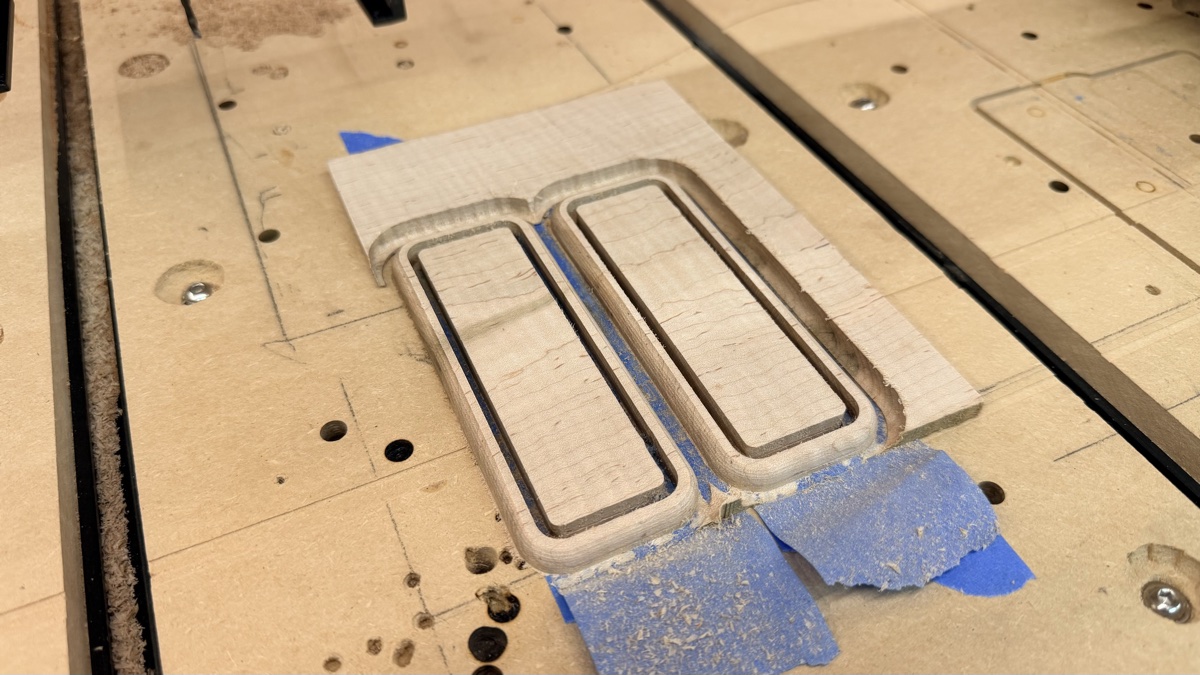
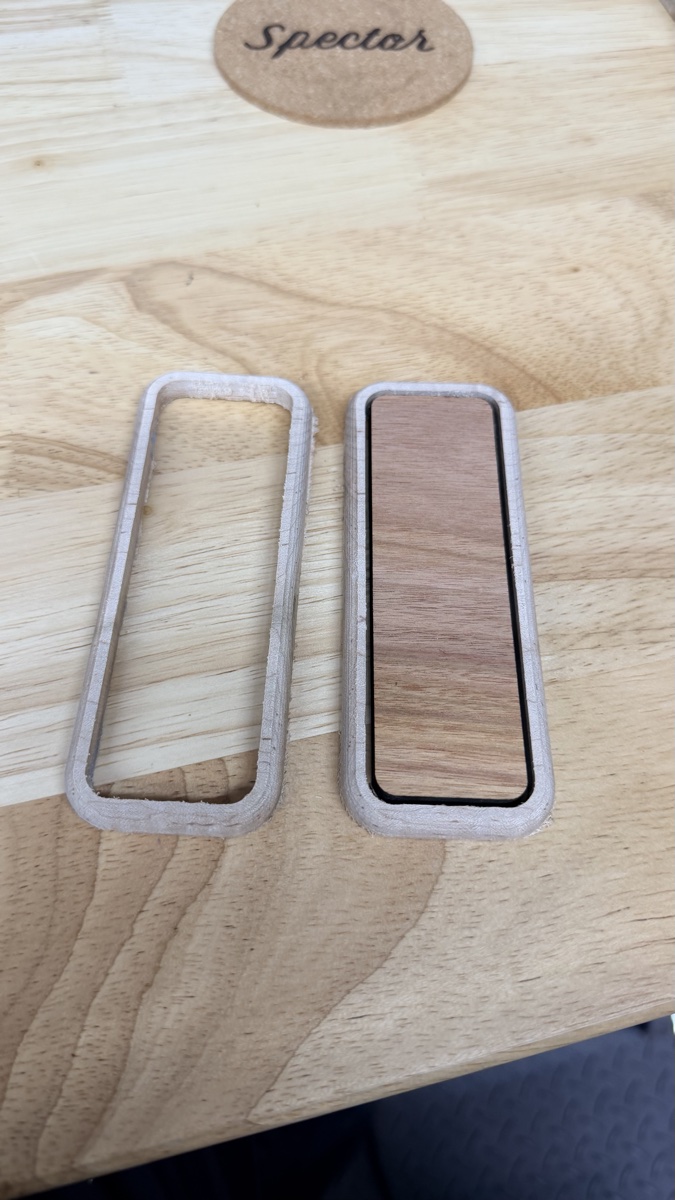
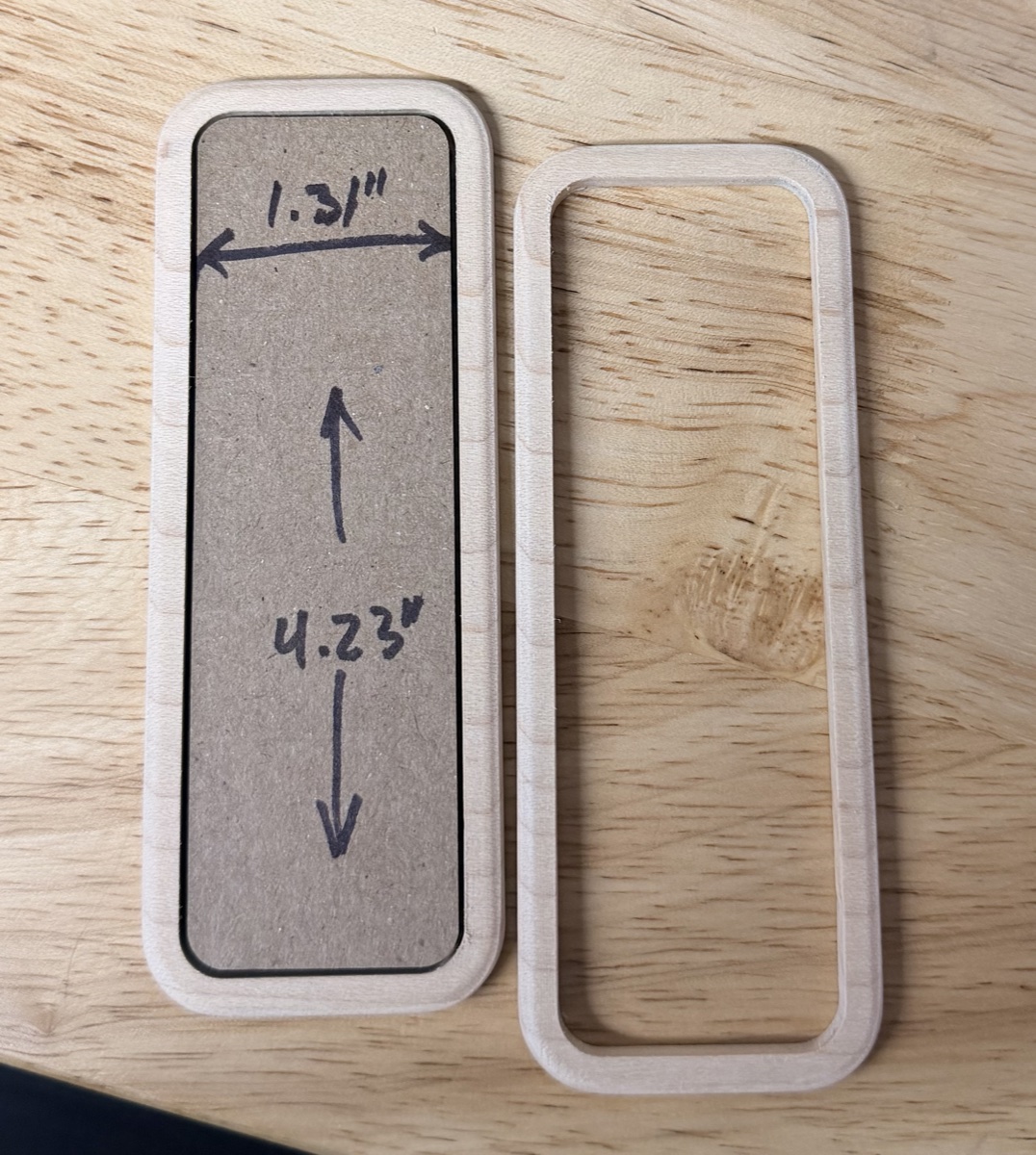
Custom fabrication starts with the design: defining fit, clearances, material, and the features to be machined. We carry that design through layout, CNC cutting and carving, and dimensional checks. The pickup bezel shown here is one example of this process. Select a photo for a closer look.
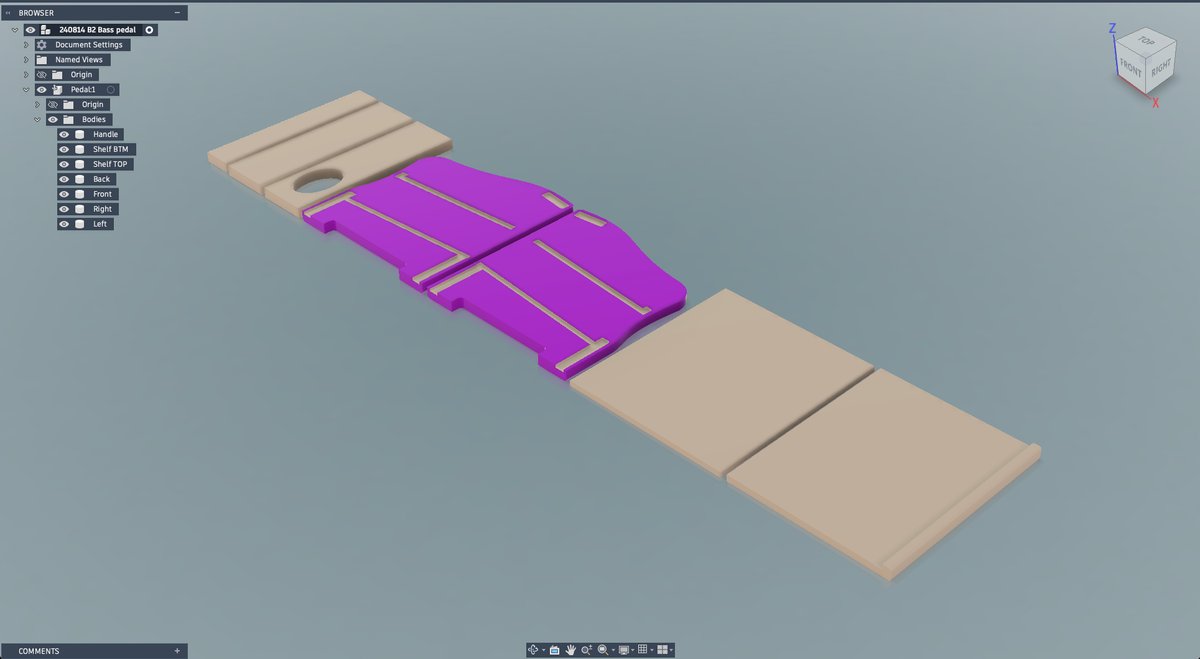
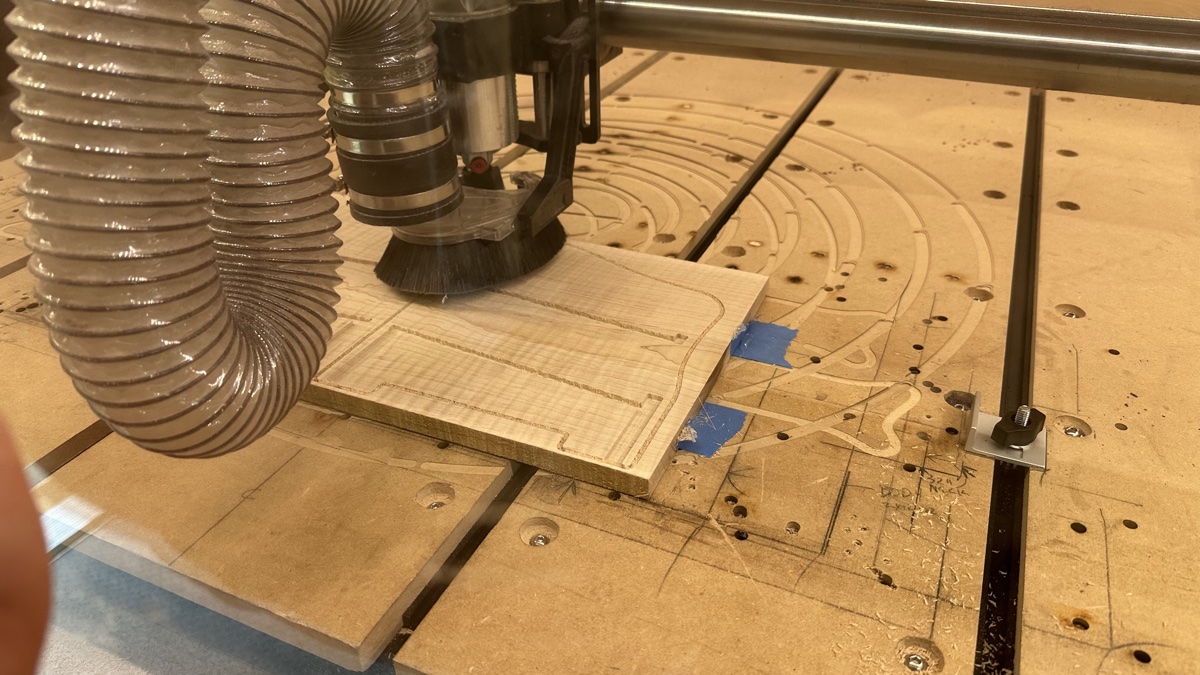
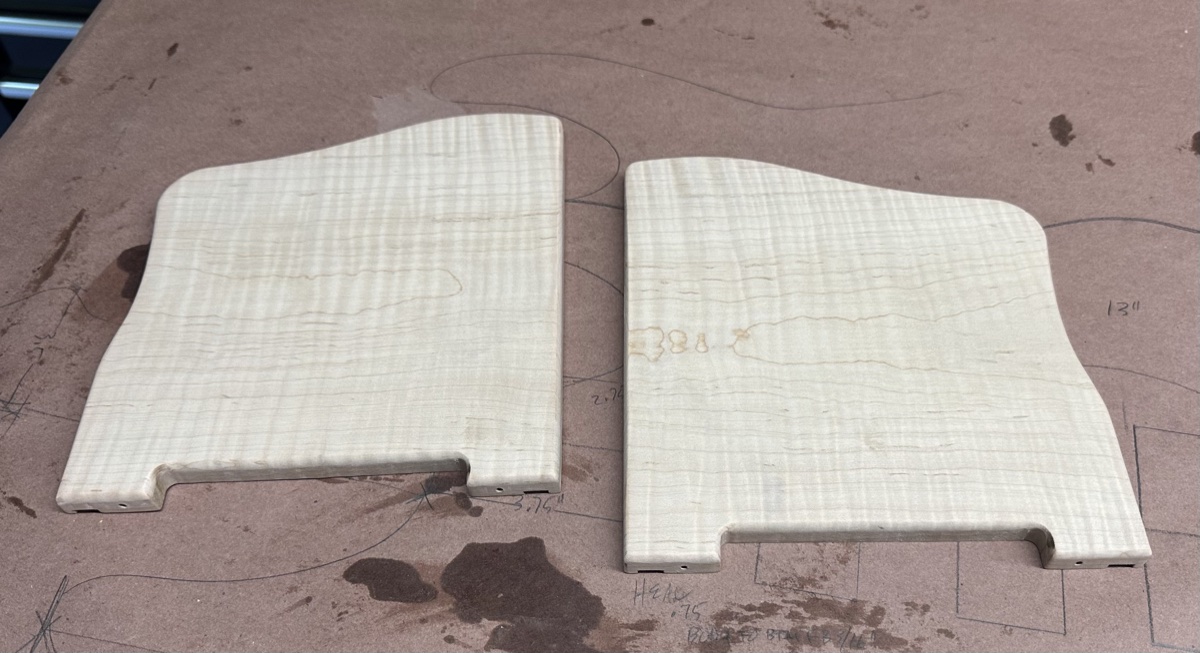
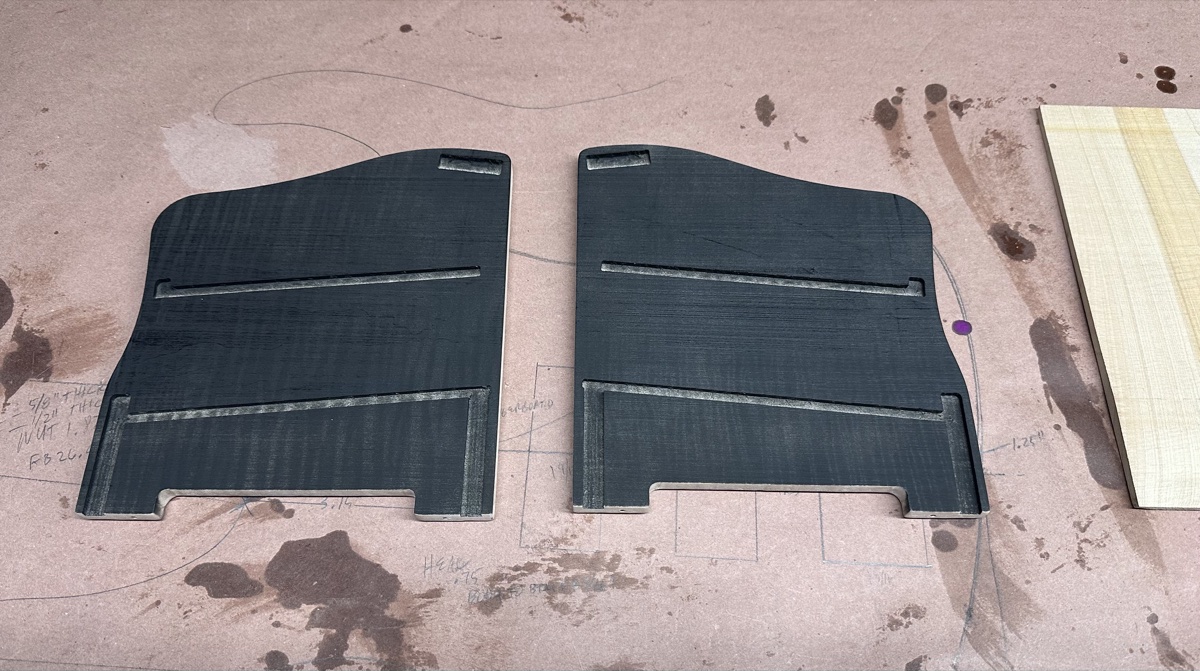
Design, CNC fabrication, and assembly
From 3D design to a finished product
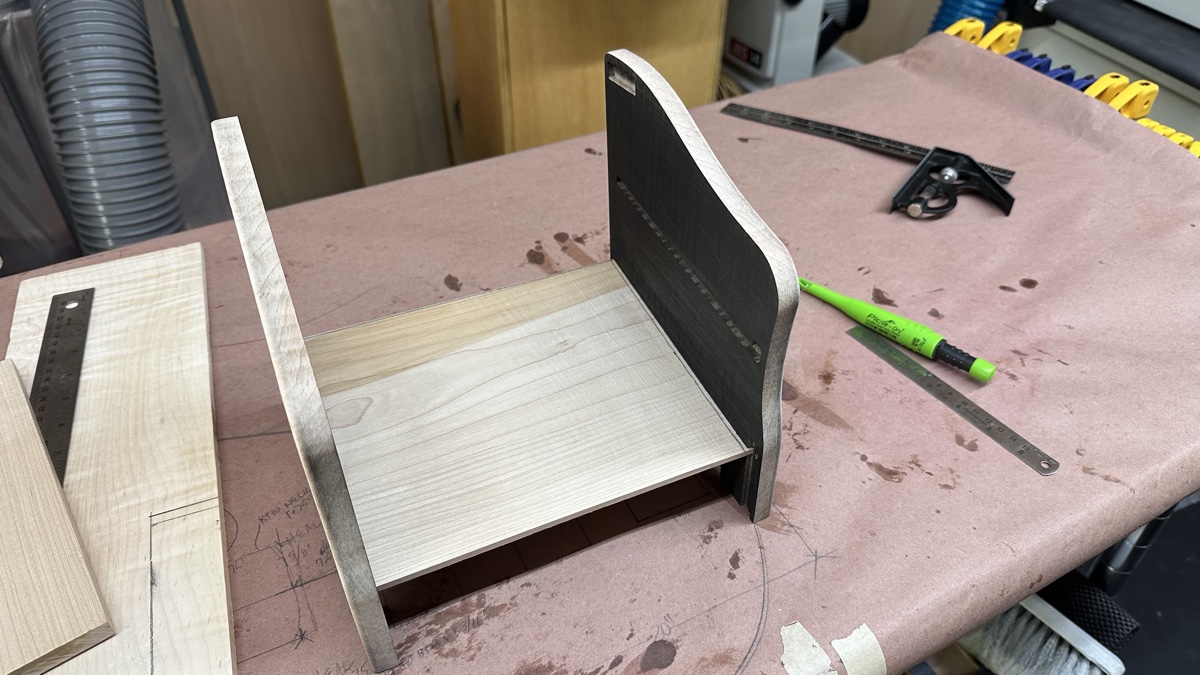
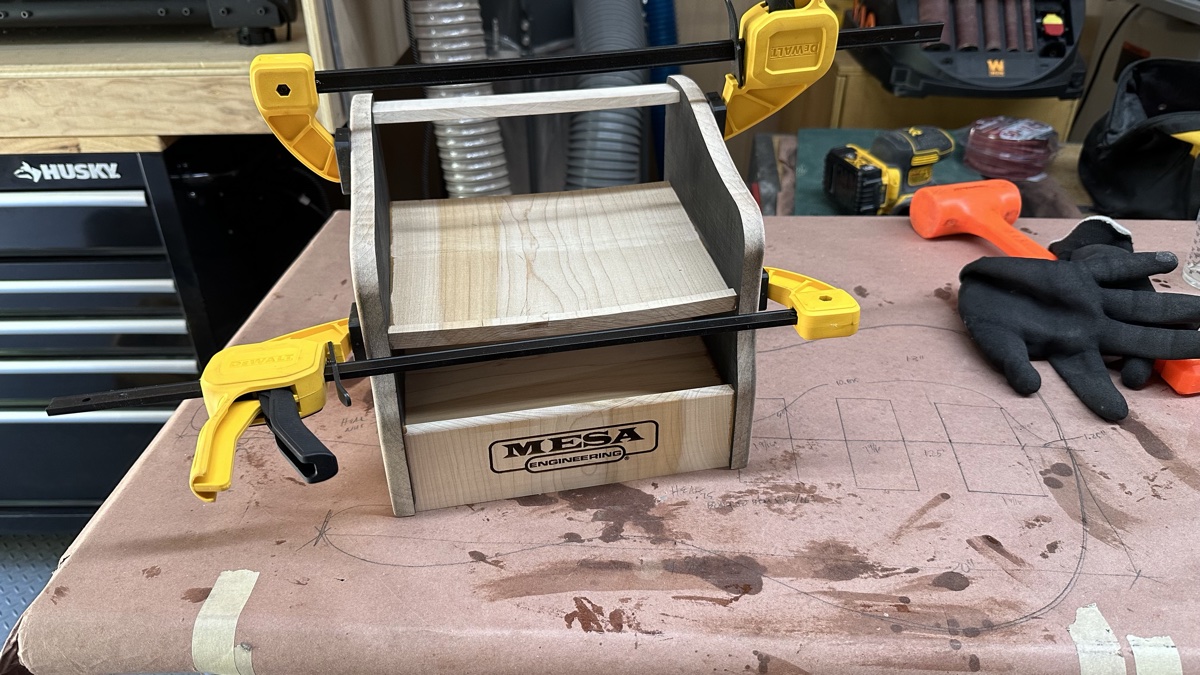
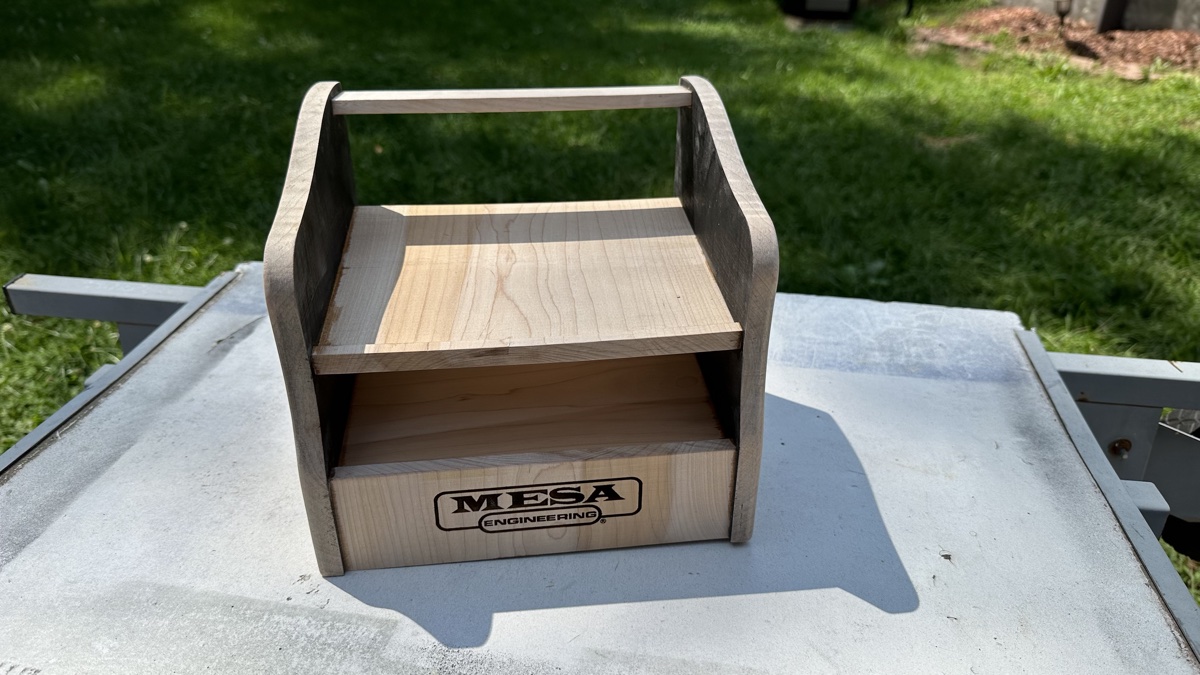
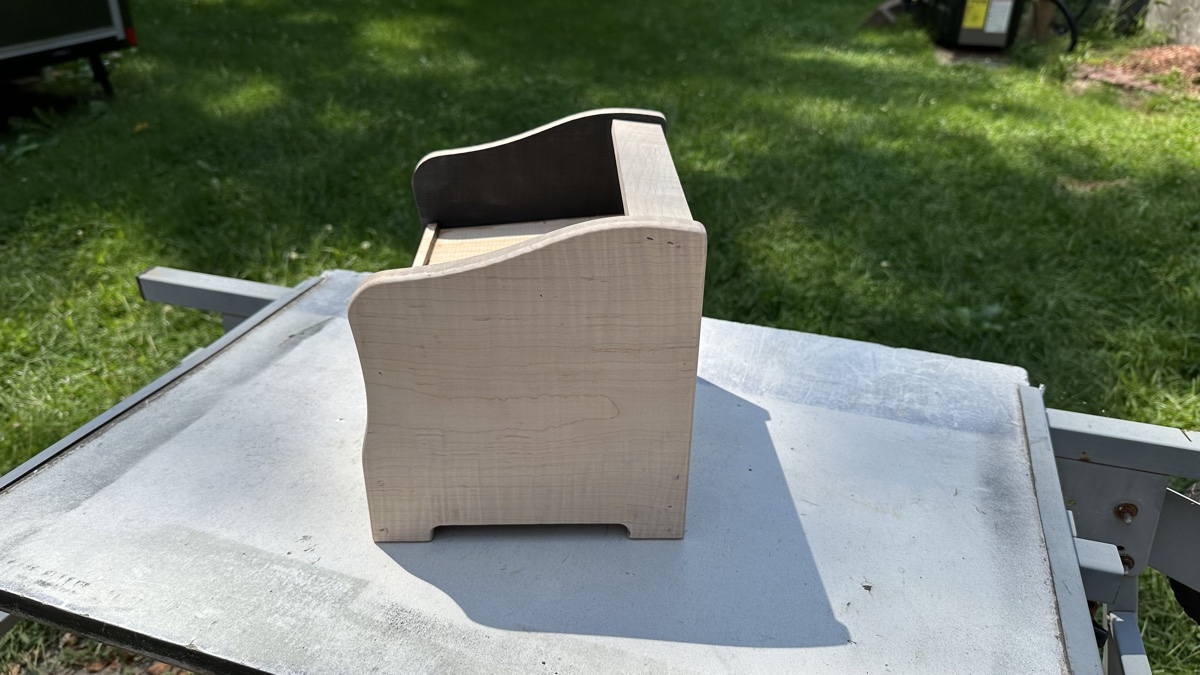
A 3D model establishes how the components fit together before fabrication begins. CNC cutting and carving turn that design into shaped parts, followed by fitting, assembly, and finishing. This custom pedalboard illustrates the complete workflow from digital design to a built product. Select a photo to follow the process.
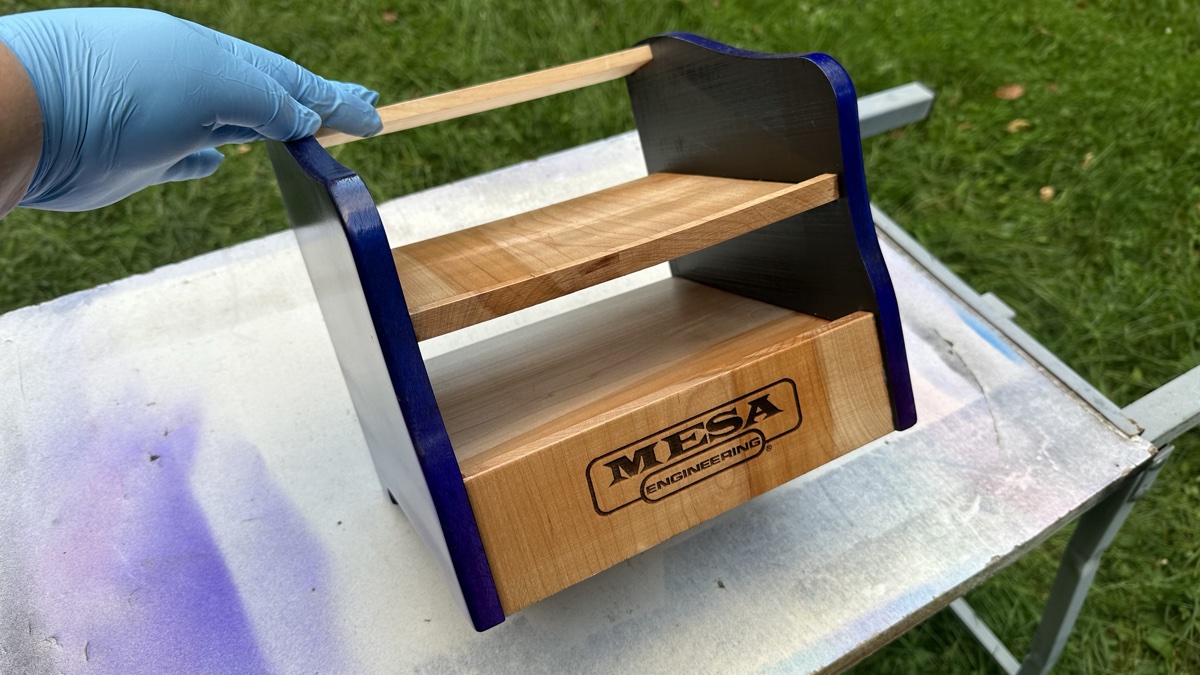
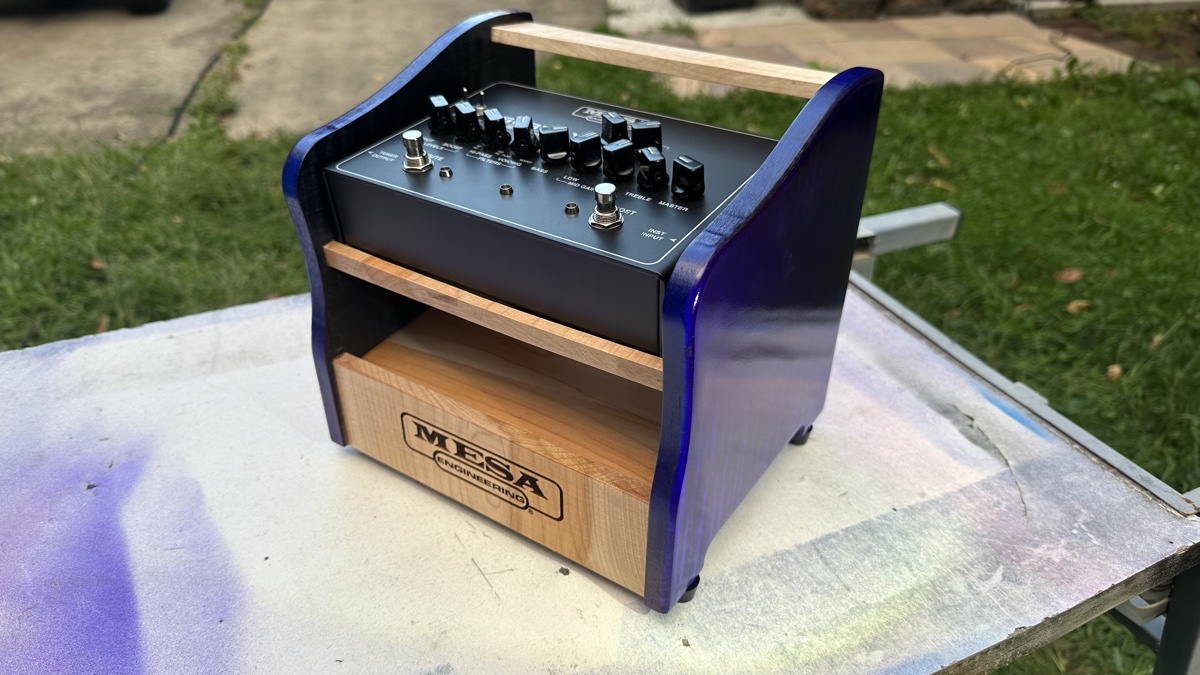
The right process for the part
3D printing supports fit checks, complex shapes, and application-appropriate finished components. Material, print orientation, strength, and surface requirements are considered before a printed part is put into service.
Laser cutting suits compatible sheet materials and detailed profiles. Laser engraving adds names, graphics, registration marks, and identification. Material compatibility is reviewed before either process is selected.
CNC machining brings controlled pockets, contours, bevels, and mating surfaces to solid stock. Machining workflow, tool paths, feeds, and speeds must match the material, tooling, and desired finish.
We can combine these methods: print a fit prototype, machine the finished component, then engrave its identifying detail.
Beyond the visible details
Our work also includes control plates, cavity covers, pickup surrounds, inlays, adapters, and components developed for new bass designs. We consider each part in context: where it mounts, what it touches, how it is adjusted, and how it will be serviced.
Make the next operation repeatable
A well-designed fixture does more than hold a part. It establishes a reference, preserves access, and helps the operator repeat an operation with less setup guesswork. Bass Foundry develops custom tooling around the task, equipment, and materials already in your shop.
We support luthiers, drum builders, instrument manufacturers, and other craftspeople with routing templates, positioning aids, assembly fixtures, and application-specific workholding.
Built around the way you work
- Body, neck-pocket, and pickup routing templates
- Drill guides and hardware-layout aids
- Carving patterns and contour references
- Assembly alignment and registration fixtures
- Workholding for repeated machining operations
- Drum-building and specialty shop tooling
We begin with the operation: how the part is located, how it is secured, where the tool travels, and how the operator loads and removes it. Contact surfaces, clamping forces, clearance, and wear matter as much as the outline.
Laser cutting and engraving provide compatible sheet profiles, centerlines, and setup labels. CNC machining supports durable reference surfaces, pockets, and shaped supports. The working loads and environment determine the final material and process; a prototype is not automatically production tooling.
From one-off jig to production tooling
Provide the part drawing or sample, the operation you want to improve, machine and tool constraints, and the required repeatability. Include how many parts you expect to make and the surfaces that must remain protected.
Dimensions and locating features are reviewed alongside machining workflow, tool paths, feeds, and speeds appropriate to the material. A trial setup or first article can establish whether the fixture locates, holds, and releases the work as intended before repeat use.
Start with the part you need
An original part, an accurate drawing, a CAD file, or a measured sketch can be a useful starting point. Photographs show the part and its placement; critical dimensions and physical references establish the fit.
- Instrument model or intended application
- Overall size and critical dimensions
- Mounting points and mating surfaces
- Preferred material, color, and finish
- Quantity and prototype requirements
- Artwork or engraving details
We review the design, confirm the manufacturing approach, and identify where a fit sample or first article is needed before making the finished parts. For builders, the same process can extend into repeat batches and branded components that retain your own design identity.